miart 2026
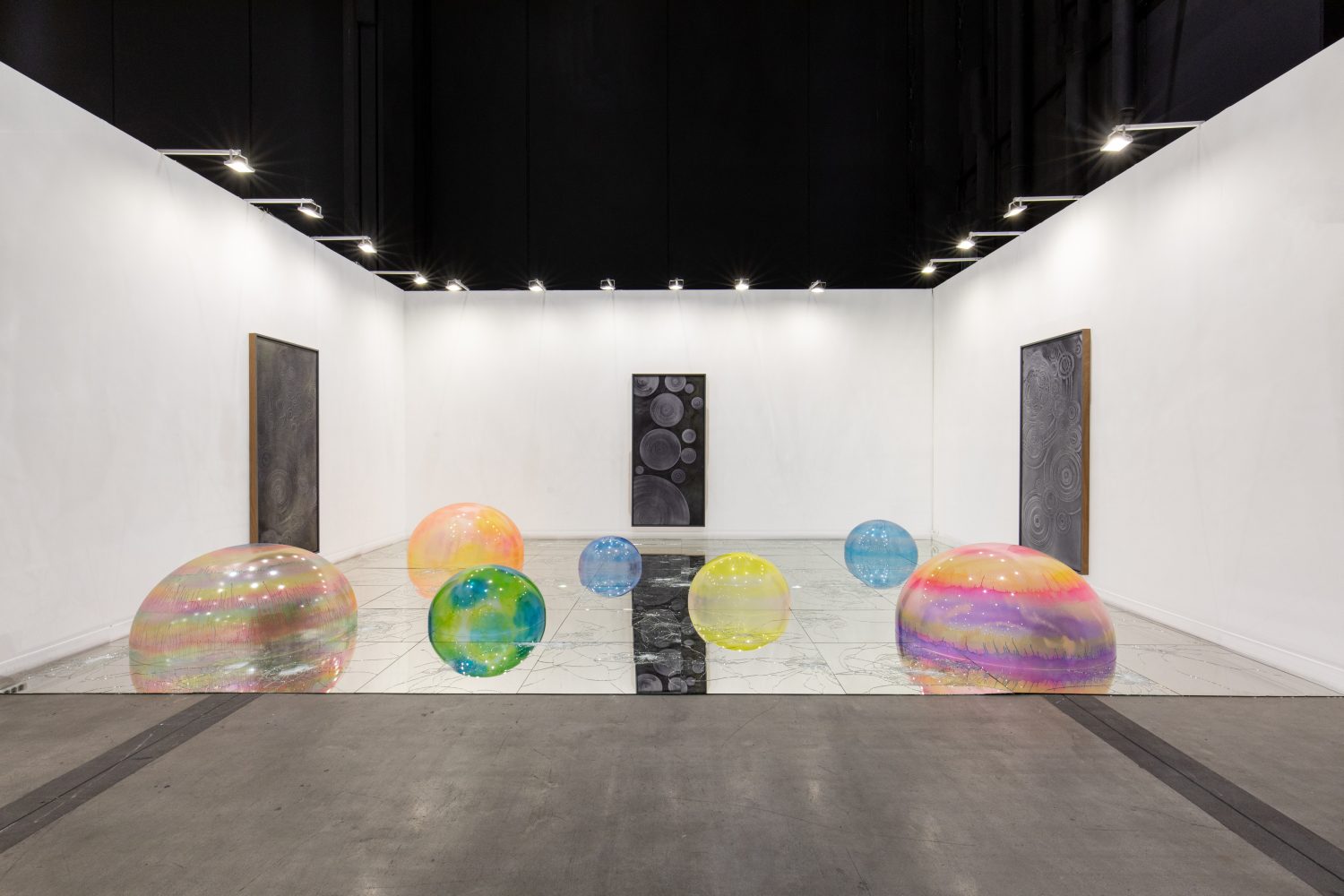
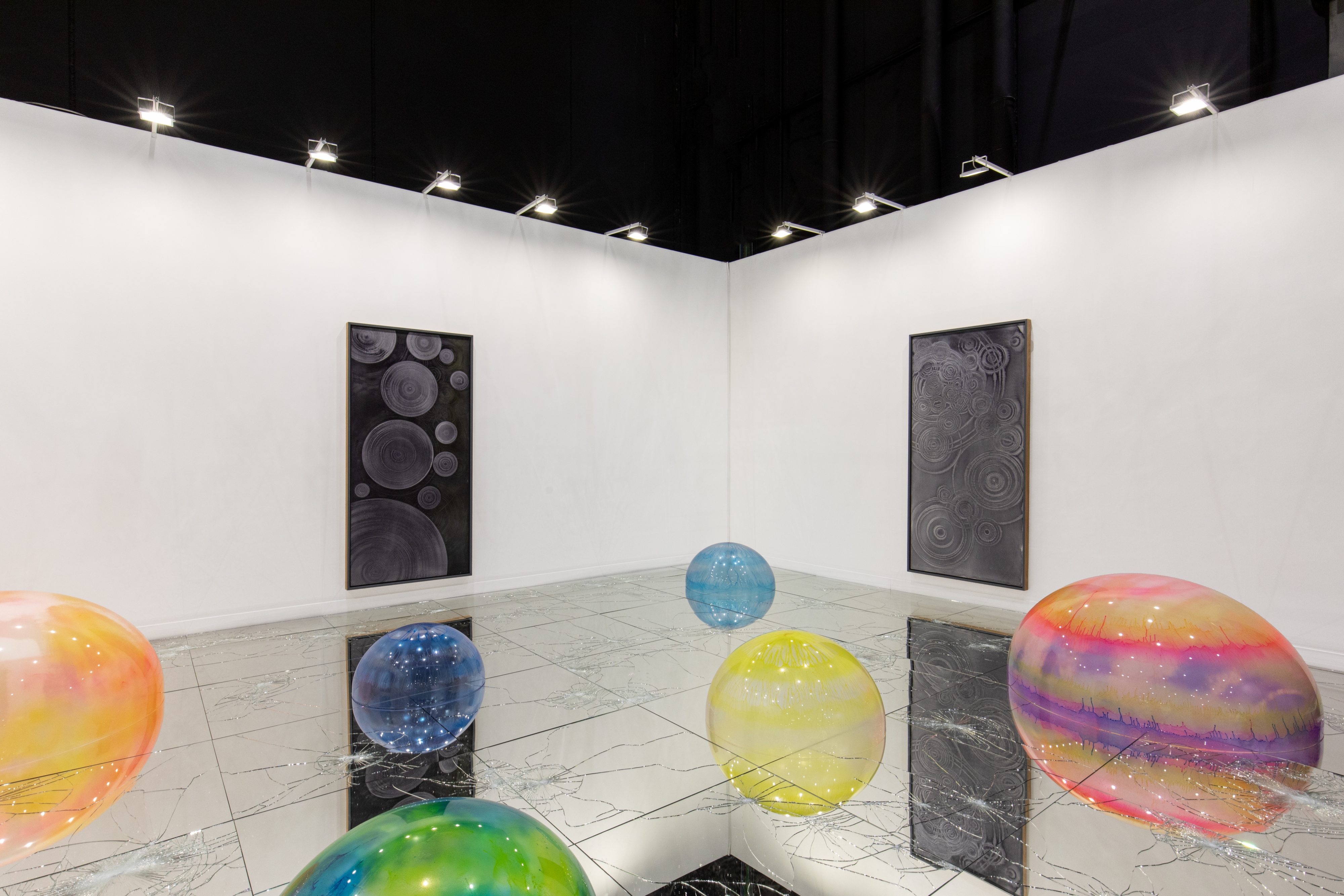
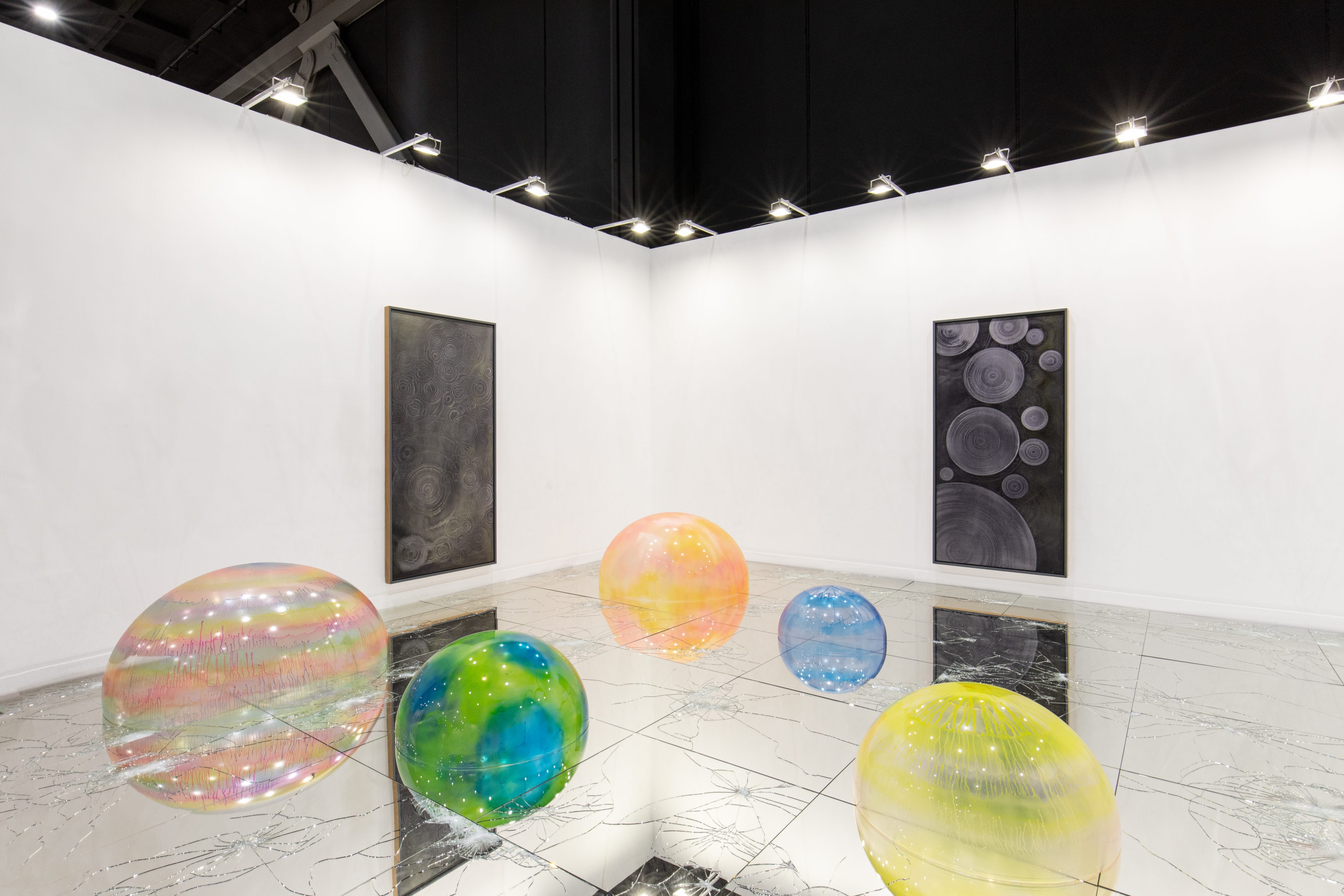
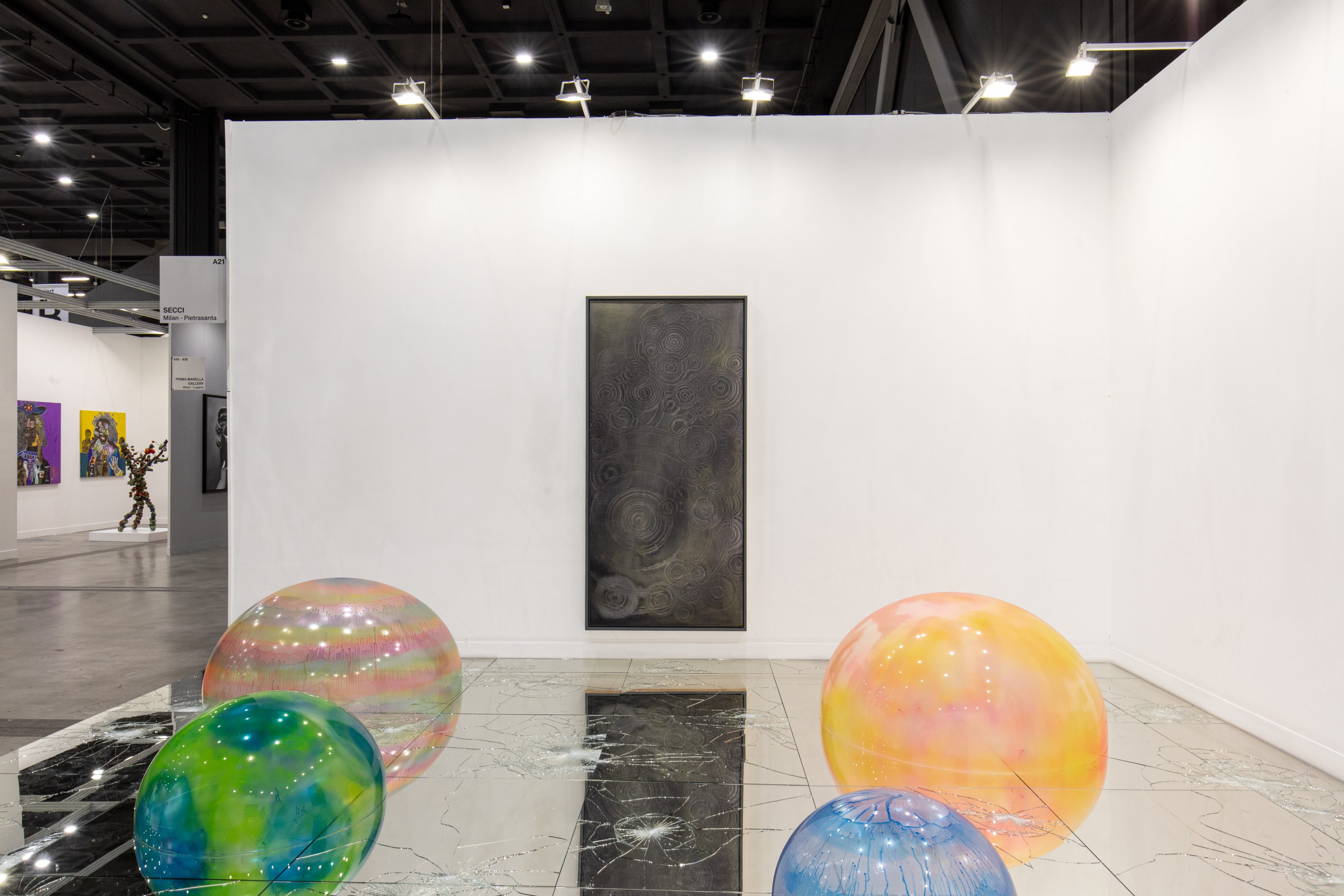
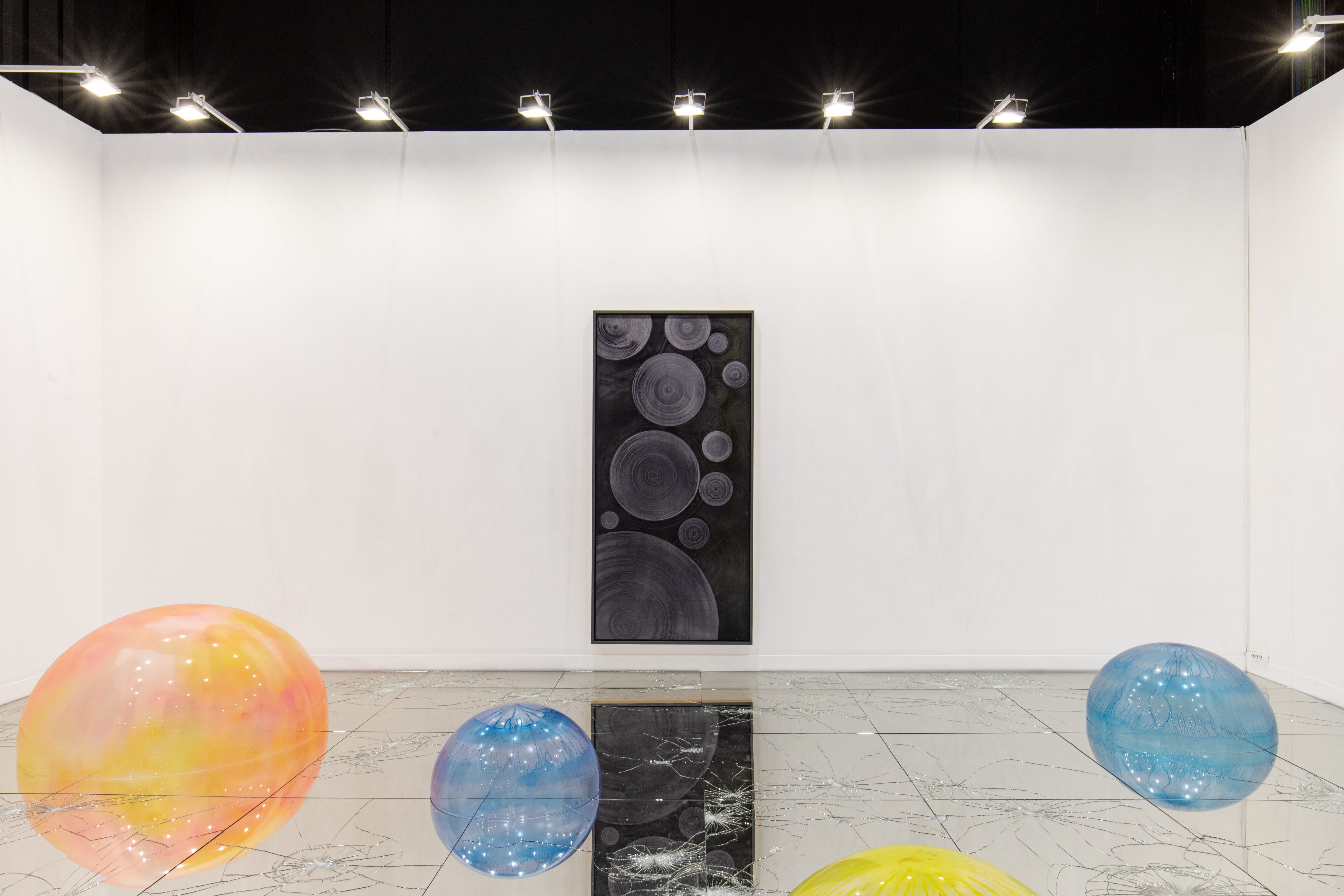
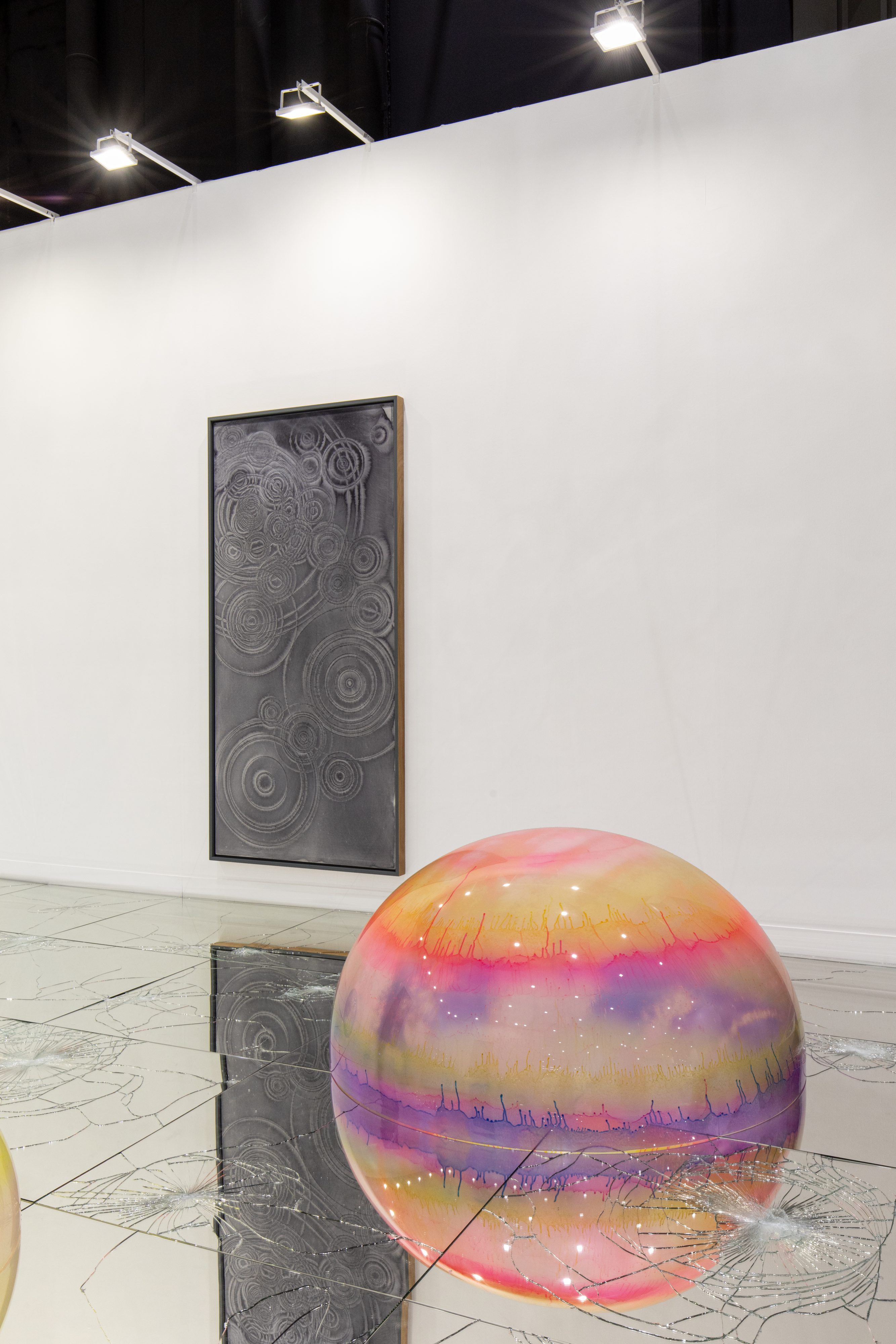
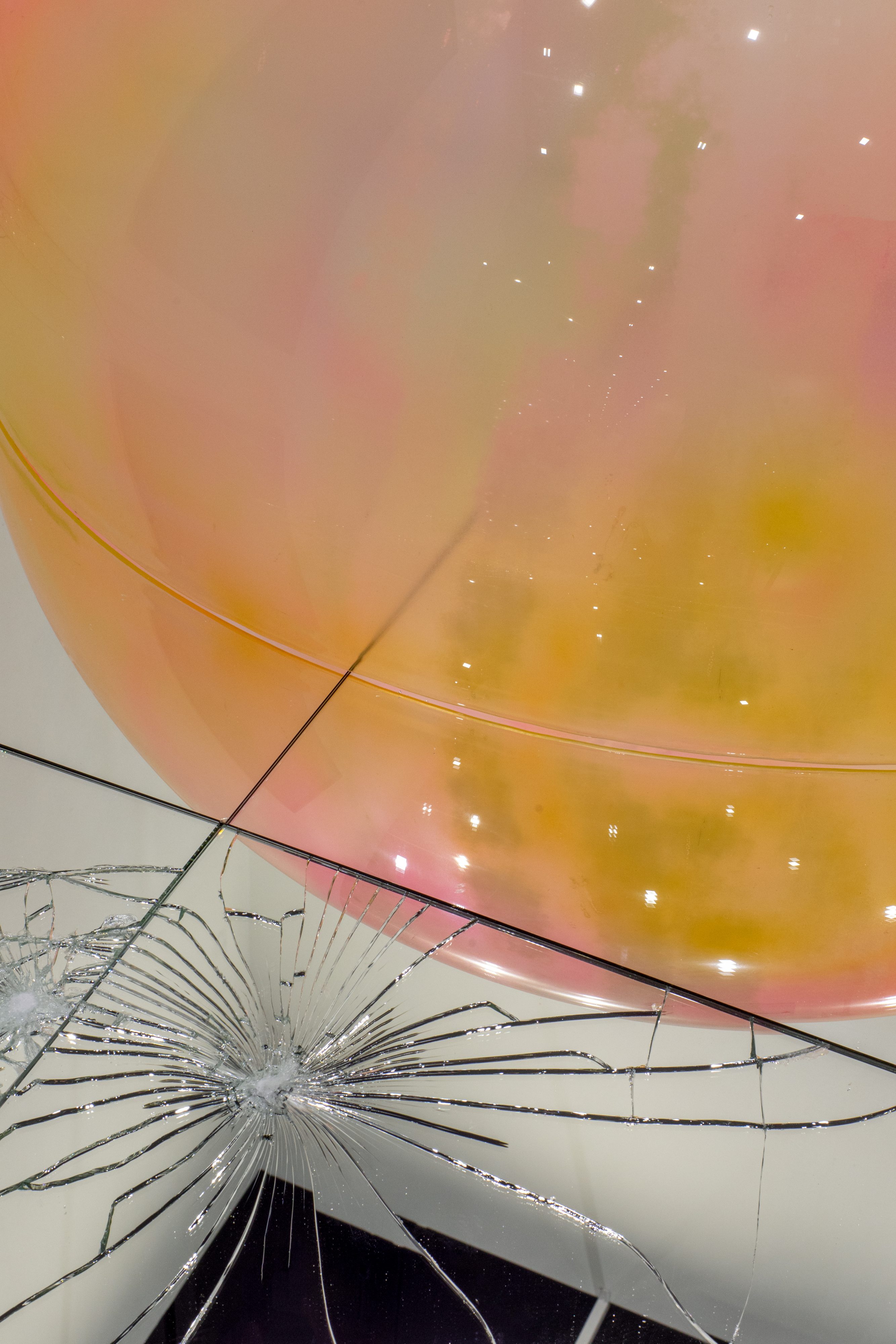
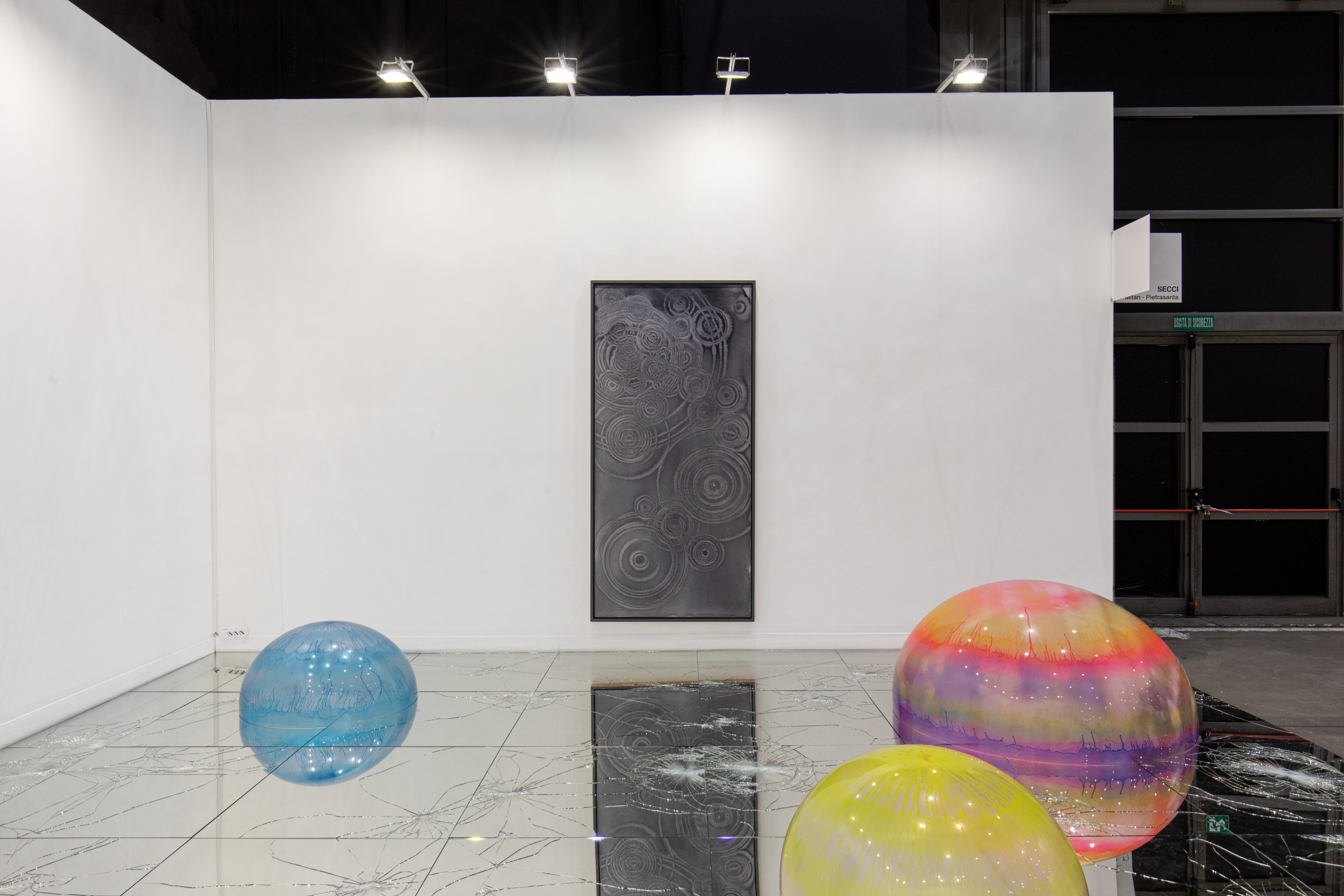
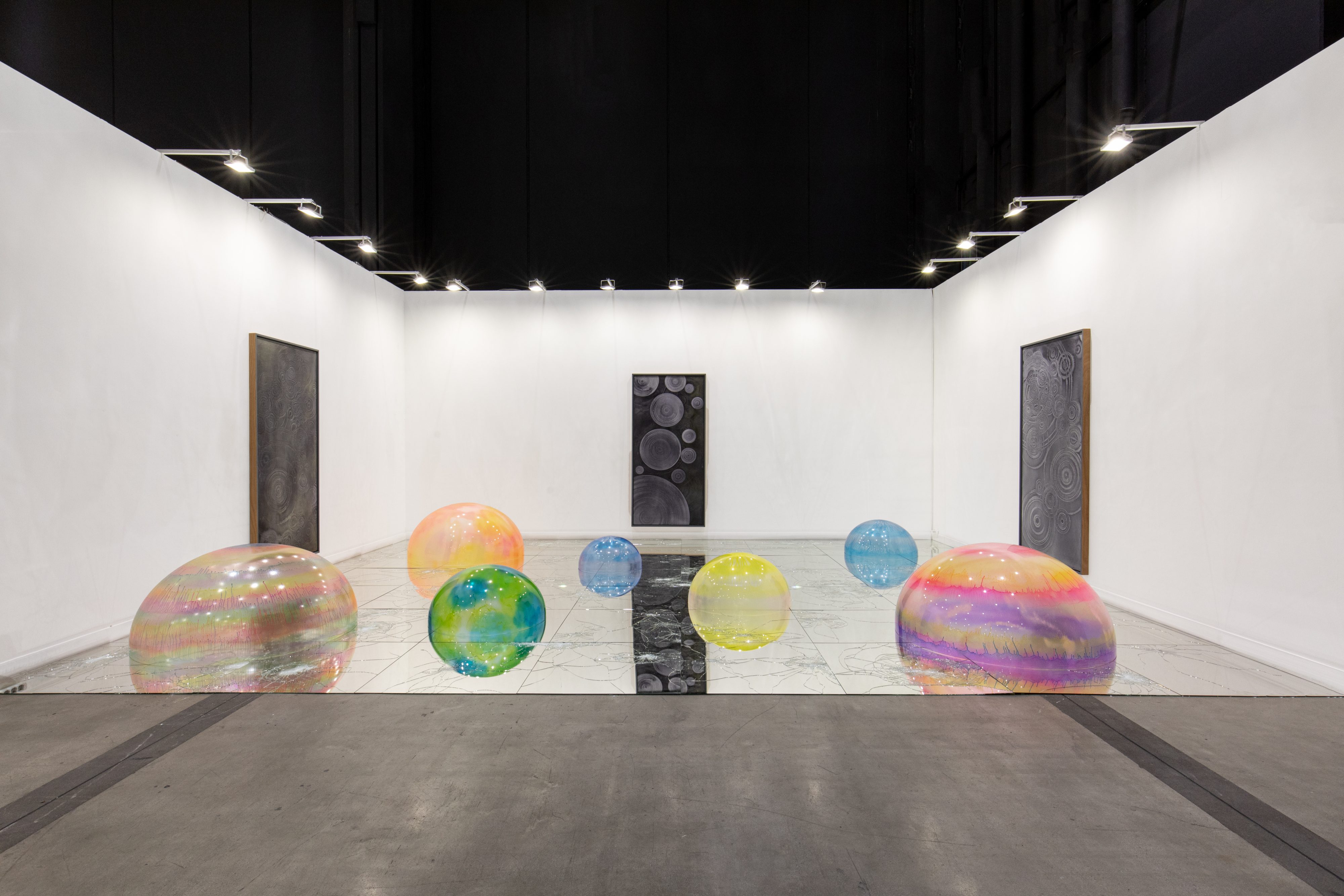
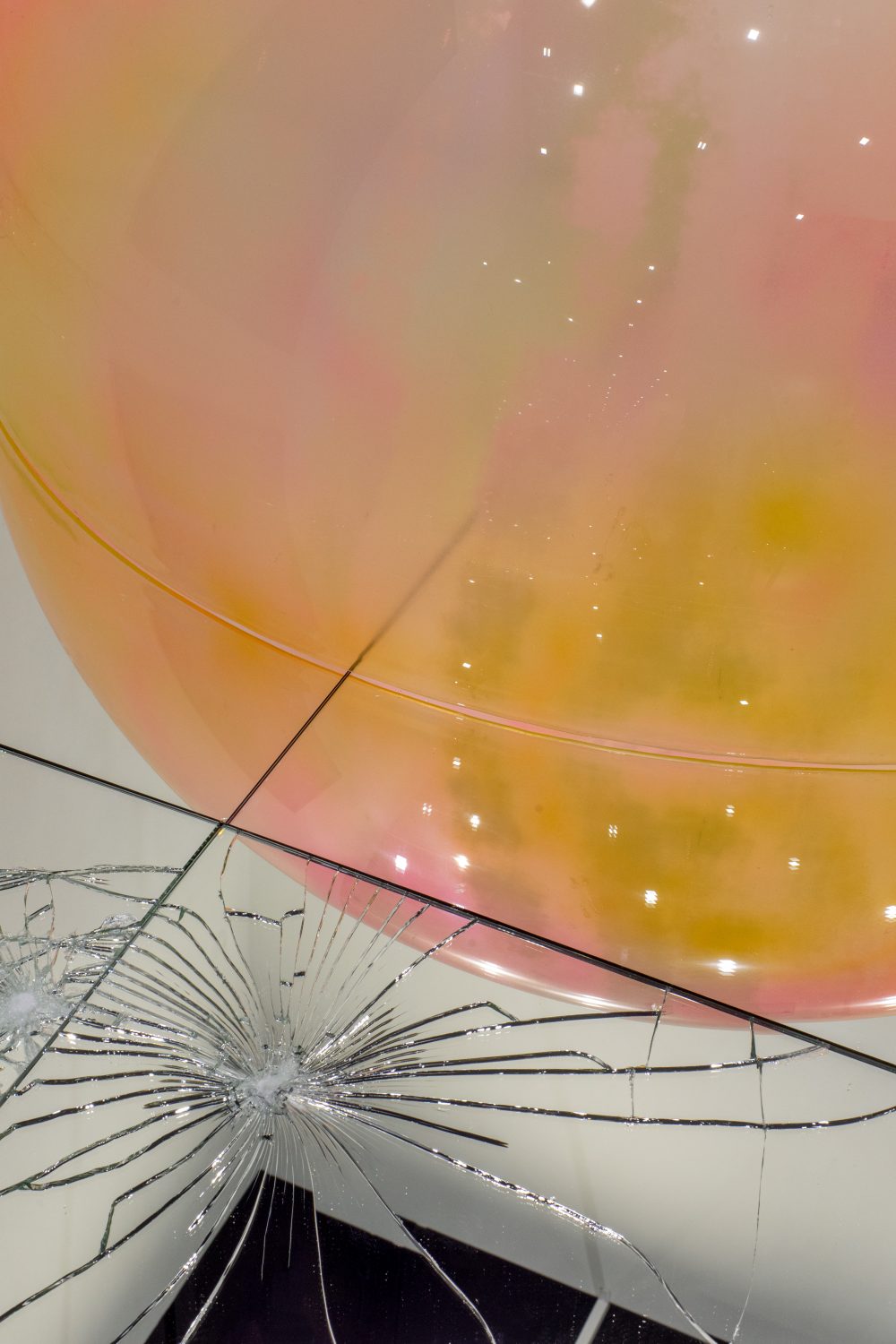
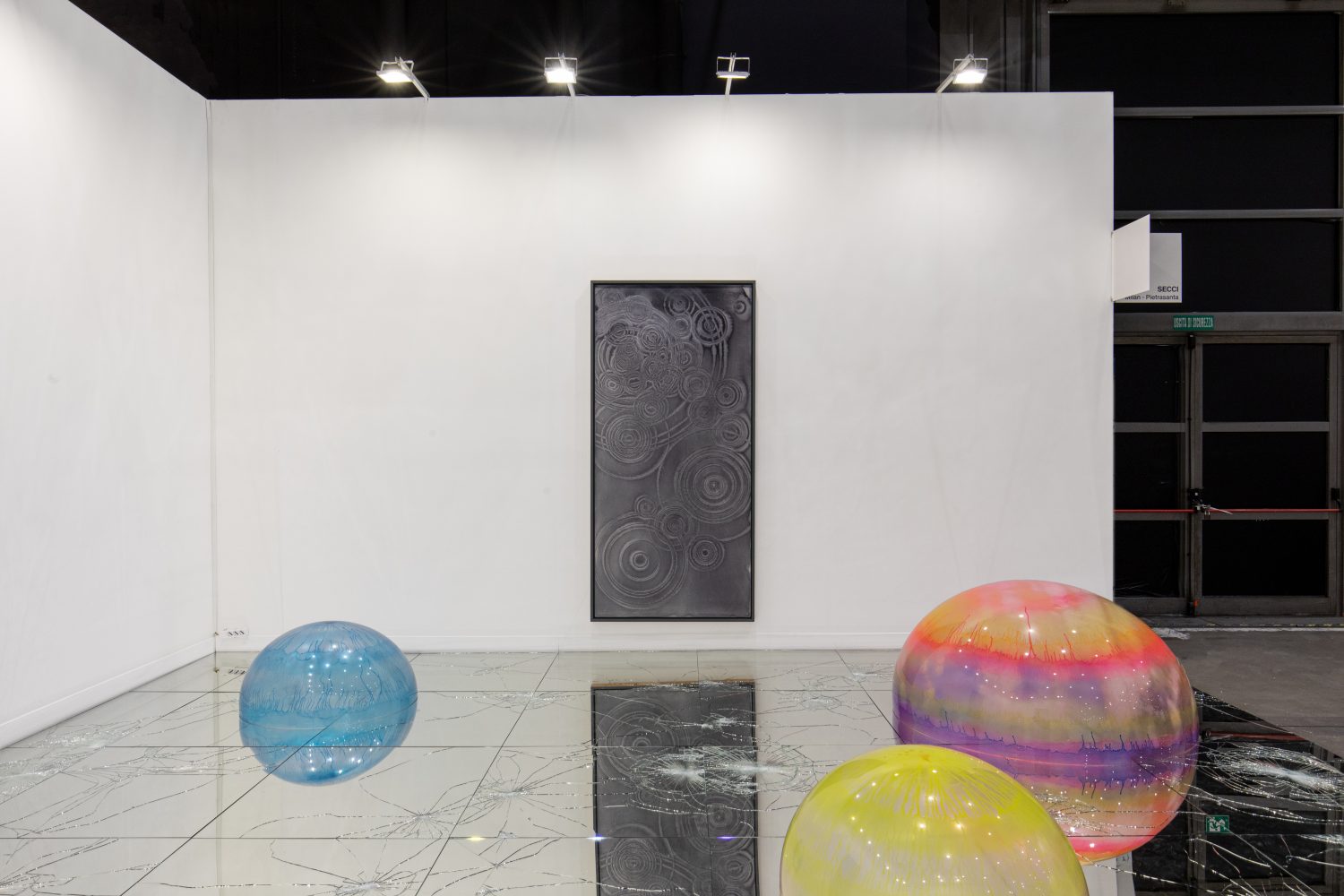
Alfredo Pirri’s presentation at miart unfolds as a true exhibition device, in which SECCI gallery’s booth is transformed into an immersive environment that critically interrogates the relationship between vision, architecture, and the presence of the viewer. At the core of the project, the site-specific floor intervention made of walkable mirrors—directly descended from the historic Passi cycle, recently reinstalled at the National Gallery of Modern and Contemporary Art in Rome—introduces into the fair setting a dimension of perceptual instability and reflection, both literal and metaphorical, on the condition of contemporary vision. The work does not merely “occupy” the floor, but redefines it as a fragile threshold, where every gesture of the visitor leaves a trace, a fracture, a micro-history of passage.
Since the 1980s, Pirri’s research has operated in a liminal territory between painting, sculpture, and architecture, rejecting any clear distinction between the autonomous artwork and the exhibition space. His practice takes the form of an extension of painting into space, where color is no longer simply surface but atmosphere, a field of forces, a site of friction between body and image. Materials—from glass to mirror, from methacrylate to wood, from paper to watercolor—are constantly tested in their capacity to retain or disperse light, to absorb or return the movement of the viewer. In this perspective, Passi represents a paradigmatic moment: a work that exists in the risk of damage, in inevitable cracking, transforming the vulnerability of the support into an essential component of the aesthetic experience.
Within the context of miart, this floor-based device enters into dialogue with a selection of wall works that convey the continuity and complexity of Pirri’s visual language. Historical series and more recent works—from chromatic stratifications on paper to methacrylate structures, from suspended geometries to the material density of color fields—construct a constellation of images that do not present themselves as simple “paintings,” but as threshold surfaces, membranes traversed by light. Painting, while remaining faithful to its two-dimensional nature, always seems on the verge of becoming volume, of overflowing into space, of contaminating the viewer’s perceptual field. In this sense, the wall works do not “illustrate” the mirrored floor, but amplify its conceptual scope, inscribing the act of walking within a broader reflection on seeing.
The critical dimension of the project emerges particularly in the way Pirri puts into tension the commercial nature of the fair with a perceptual experience that exceeds the logic of the object. The booth, located in the Established section, does not function as a mere container of works, but as an environment that demands time, attention, and a willingness to be destabilized. The fragmented reflection of the viewer’s body, the impossibility of a unified vision, the constant oscillation between luminous attraction and awareness of the support’s fragility produce a situation in which the work exists as much in physical space as in the consciousness of those who traverse it. The act of walking, pausing, searching for a “right” point of view—which never fully exists—thus becomes an integral part of the construction of meaning.
At the same time, the project affirms the specificity of a practice that, while rooted in the history of Italian painting and in dialogue with installation and minimalism, asserts a strong poetic and political dimension. Poetic, because in Pirri’s work light is never a mere effect, but a form of spatial writing, a grammar that organizes relationships between bodies, surfaces, and void. Political, because the mirrored device does not return a narcissistically confirmed subjectivity, but exposes it to fragmentation, to the loss of centrality, to coexistence with other bodies sharing the same visual field. The temporary community that forms within the booth—made of steps, pauses, hesitations—becomes part of the work’s dramaturgy.
At a historical moment in which images are everywhere available, flat and immediate, Alfredo Pirri’s project at miart insists instead on the embodied, risky, and processual dimension of seeing. The cracked mirror, the unstable reflection, the painting that becomes environment all affirm the necessity of experiencing art as an exercise in attention and awareness, as an opportunity to question not only what we see, but how we see. In this perspective, Pirri’s solo show is not merely the presence of a historically significant artist within the fair, but the activation of a critical space in which architecture, the body, and light are called to confront their very possibility of appearing.
Alfredo Pirri’s presentation at miart unfolds as a true exhibition device, in which SECCI gallery’s booth is transformed into an immersive environment that critically interrogates the relationship between vision, architecture, and the presence of the viewer. At the core of the project, the site-specific floor intervention made of walkable mirrors—directly descended from the historic Passi cycle, recently reinstalled at the National Gallery of Modern and Contemporary Art in Rome—introduces into the fair setting a dimension of perceptual instability and reflection, both literal and metaphorical, on the condition of contemporary vision. The work does not merely “occupy” the floor, but redefines it as a fragile threshold, where every gesture of the visitor leaves a trace, a fracture, a micro-history of passage.
Since the 1980s, Pirri’s research has operated in a liminal territory between painting, sculpture, and architecture, rejecting any clear distinction between the autonomous artwork and the exhibition space. His practice takes the form of an extension of painting into space, where color is no longer simply surface but atmosphere, a field of forces, a site of friction between body and image. Materials—from glass to mirror, from methacrylate to wood, from paper to watercolor—are constantly tested in their capacity to retain or disperse light, to absorb or return the movement of the viewer. In this perspective, Passi represents a paradigmatic moment: a work that exists in the risk of damage, in inevitable cracking, transforming the vulnerability of the support into an essential component of the aesthetic experience.
Within the context of miart, this floor-based device enters into dialogue with a selection of wall works that convey the continuity and complexity of Pirri’s visual language. Historical series and more recent works—from chromatic stratifications on paper to methacrylate structures, from suspended geometries to the material density of color fields—construct a constellation of images that do not present themselves as simple “paintings,” but as threshold surfaces, membranes traversed by light. Painting, while remaining faithful to its two-dimensional nature, always seems on the verge of becoming volume, of overflowing into space, of contaminating the viewer’s perceptual field. In this sense, the wall works do not “illustrate” the mirrored floor, but amplify its conceptual scope, inscribing the act of walking within a broader reflection on seeing.
The critical dimension of the project emerges particularly in the way Pirri puts into tension the commercial nature of the fair with a perceptual experience that exceeds the logic of the object. The booth, located in the Established section, does not function as a mere container of works, but as an environment that demands time, attention, and a willingness to be destabilized. The fragmented reflection of the viewer’s body, the impossibility of a unified vision, the constant oscillation between luminous attraction and awareness of the support’s fragility produce a situation in which the work exists as much in physical space as in the consciousness of those who traverse it. The act of walking, pausing, searching for a “right” point of view—which never fully exists—thus becomes an integral part of the construction of meaning.
At the same time, the project affirms the specificity of a practice that, while rooted in the history of Italian painting and in dialogue with installation and minimalism, asserts a strong poetic and political dimension. Poetic, because in Pirri’s work light is never a mere effect, but a form of spatial writing, a grammar that organizes relationships between bodies, surfaces, and void. Political, because the mirrored device does not return a narcissistically confirmed subjectivity, but exposes it to fragmentation, to the loss of centrality, to coexistence with other bodies sharing the same visual field. The temporary community that forms within the booth—made of steps, pauses, hesitations—becomes part of the work’s dramaturgy.
At a historical moment in which images are everywhere available, flat and immediate, Alfredo Pirri’s project at miart insists instead on the embodied, risky, and processual dimension of seeing. The cracked mirror, the unstable reflection, the painting that becomes environment all affirm the necessity of experiencing art as an exercise in attention and awareness, as an opportunity to question not only what we see, but how we see. In this perspective, Pirri’s solo show is not merely the presence of a historically significant artist within the fair, but the activation of a critical space in which architecture, the body, and light are called to confront their very possibility of appearing.

 miart 2026Secci Gallery, Miart 2026, installation view by Alfredo Pirri. Courtesy of the artist and Secci Gallery
 miart 2026Secci Gallery, Miart 2026, installation view by Alfredo Pirri. Courtesy of the artist and Secci Gallery
 miart 2026Secci Gallery, Miart 2026, installation view by Alfredo Pirri. Courtesy of the artist and Secci Gallery
 miart 2026Secci Gallery, Miart 2026, installation view by Alfredo Pirri. Courtesy of the artist and Secci Gallery
 miart 2026Secci Gallery, Miart 2026, installation view by Alfredo Pirri. Courtesy of the artist and Secci Gallery
 miart 2026Secci Gallery, Miart 2026, installation view by Alfredo Pirri. Courtesy of the artist and Secci Gallery
 miart 2026Secci Gallery, Miart 2026, installation view by Alfredo Pirri. Courtesy of the artist and Secci Gallery
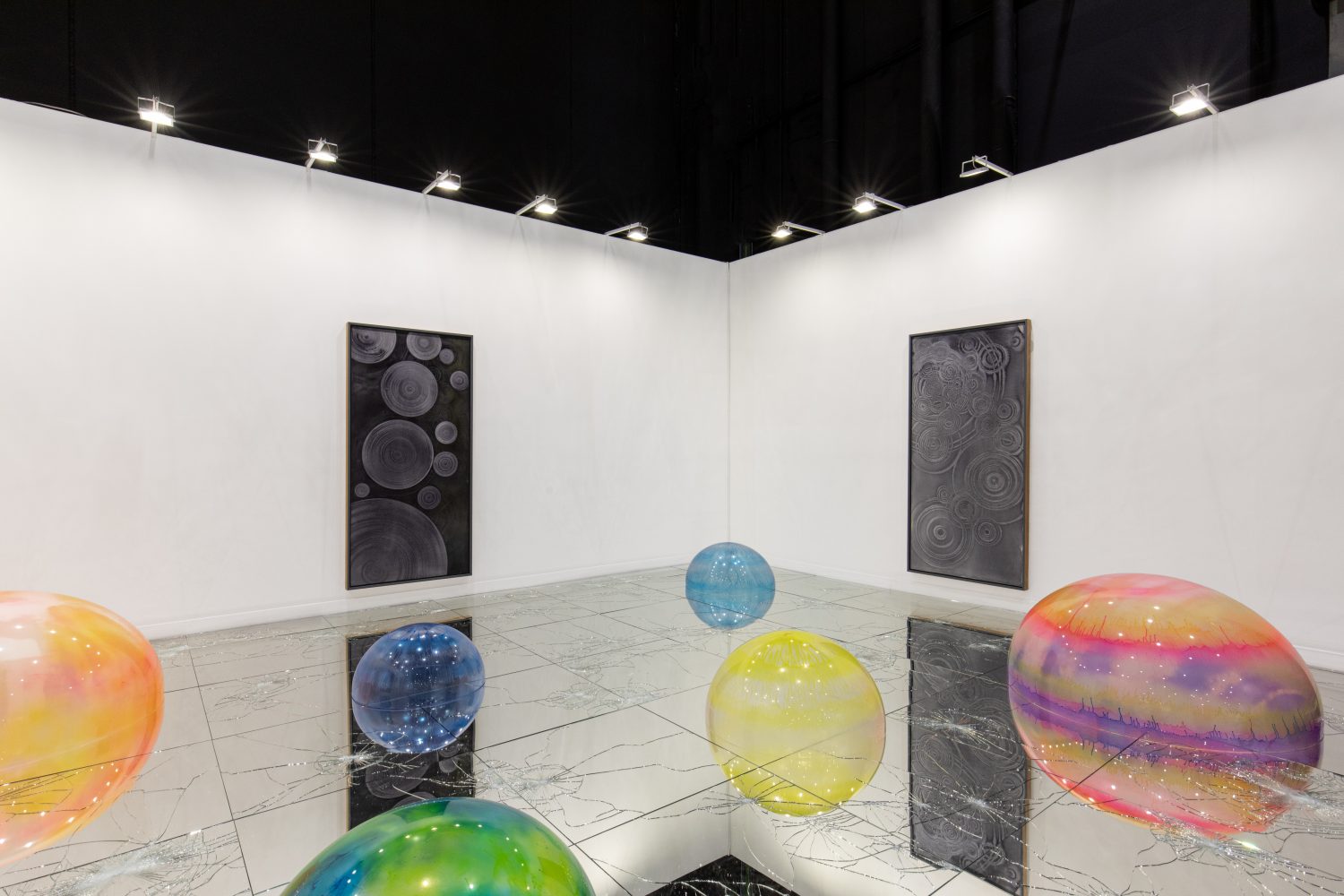
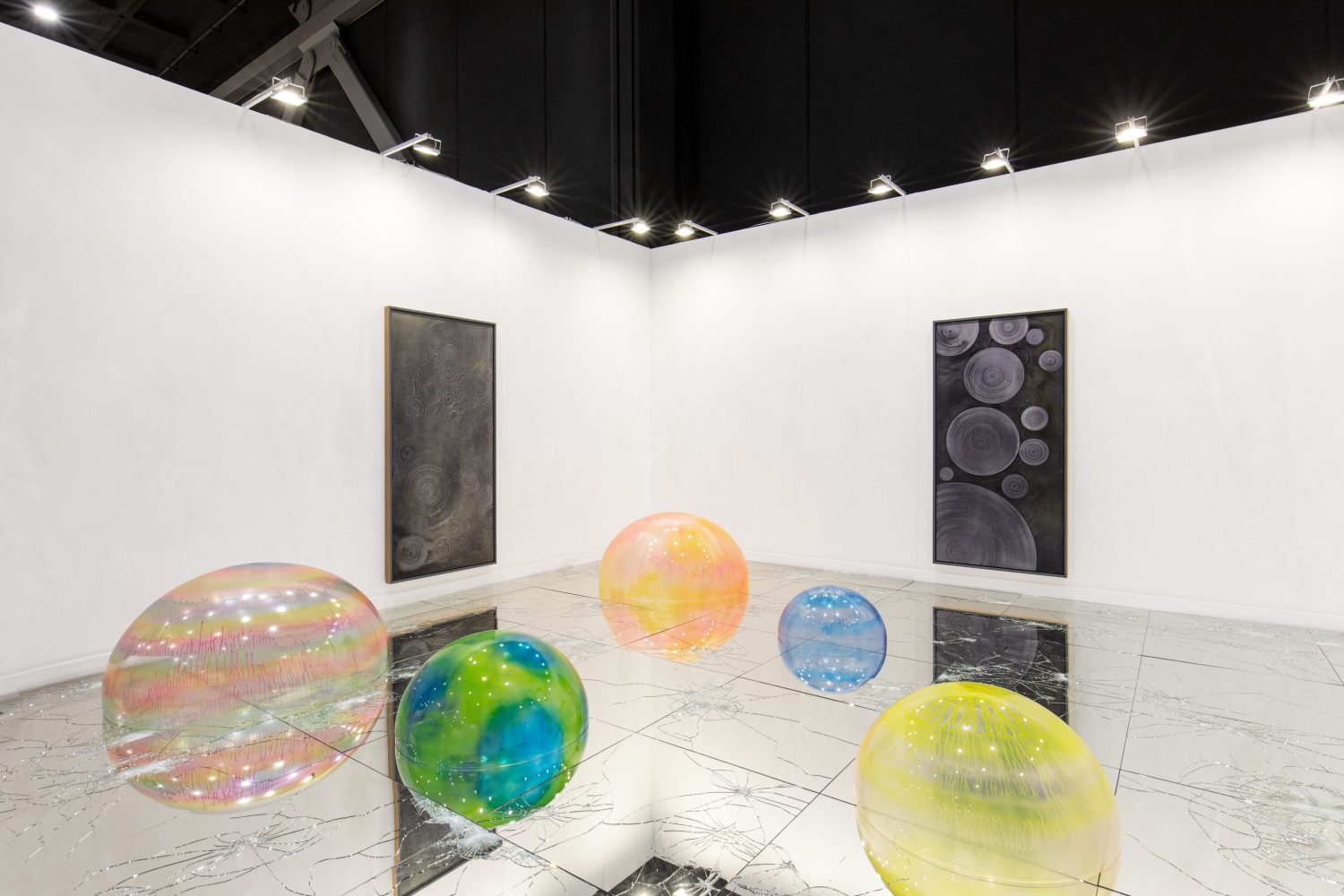
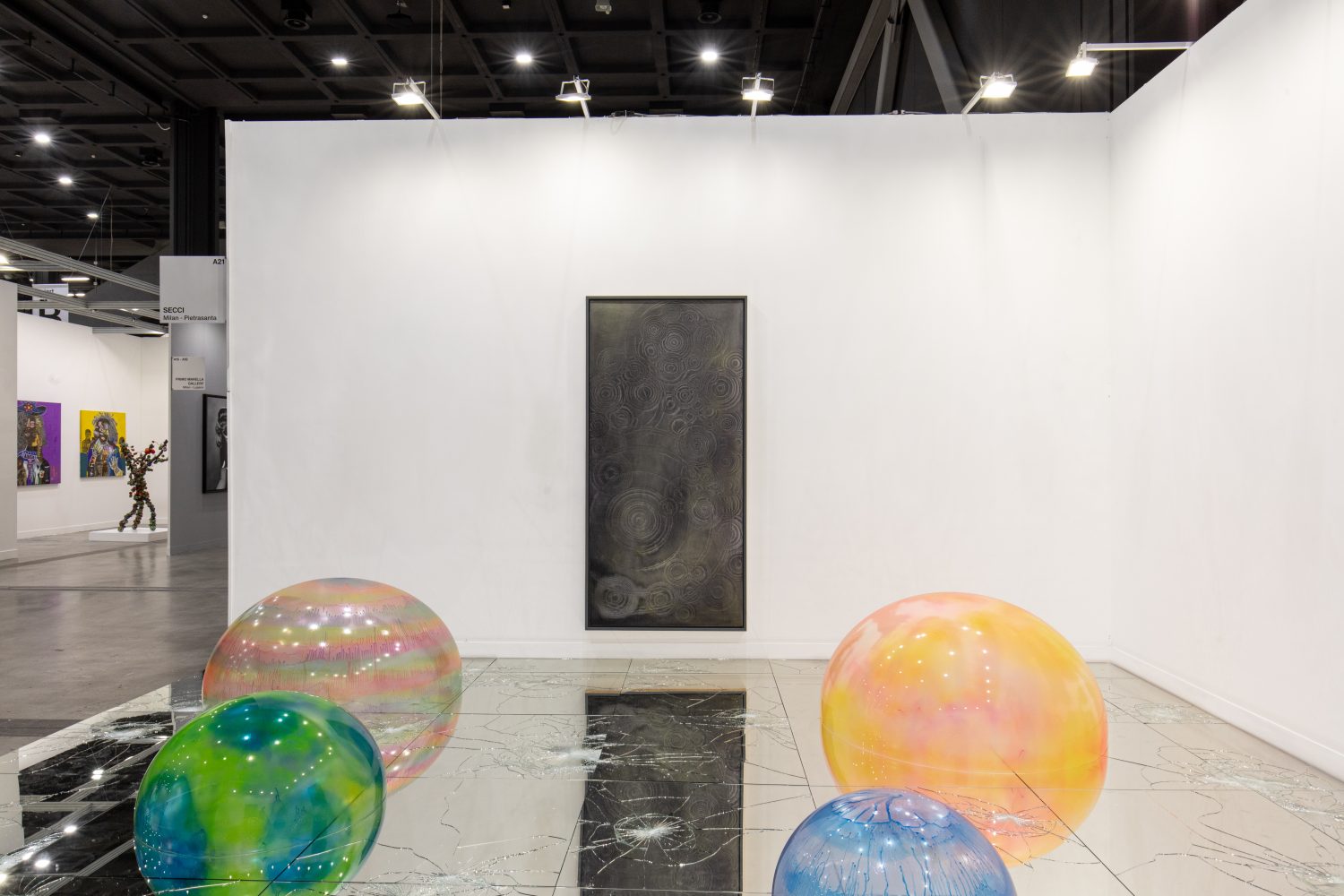
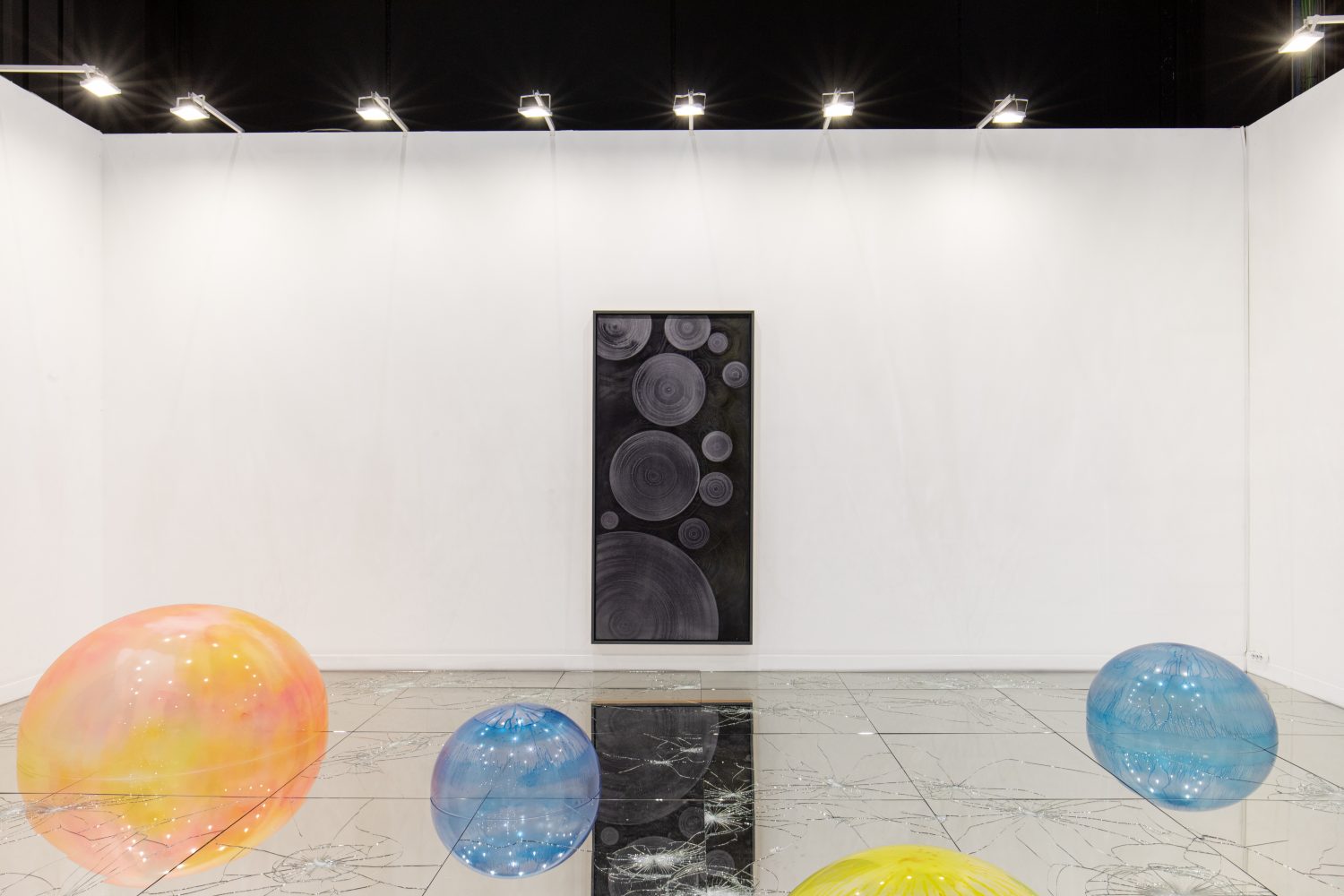
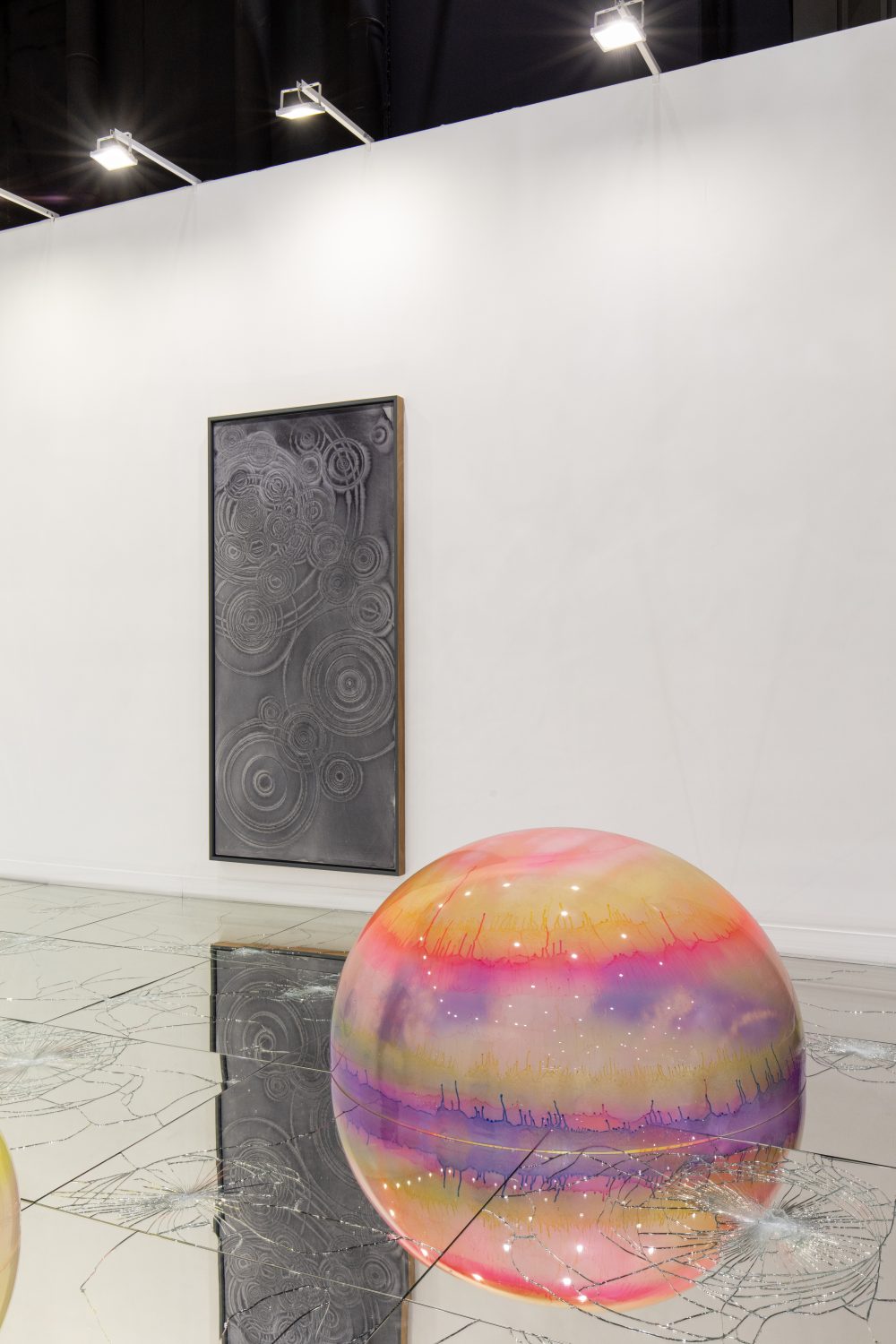
 miart 2026Secci Gallery, Miart 2026, installation view by Alfredo Pirri. Courtesy of the artist and Secci Gallery
- miart 2026Secci Gallery, Miart 2026, installation view by Alfredo Pirri. Courtesy of the artist and Secci Gallery
- miart 2026Secci Gallery, Miart 2026, installation view by Alfredo Pirri. Courtesy of the artist and Secci Gallery
- miart 2026Secci Gallery, Miart 2026, installation view by Alfredo Pirri. Courtesy of the artist and Secci Gallery
- miart 2026Secci Gallery, Miart 2026, installation view by Alfredo Pirri. Courtesy of the artist and Secci Gallery
- miart 2026Secci Gallery, Miart 2026, installation view by Alfredo Pirri. Courtesy of the artist and Secci Gallery
- miart 2026Secci Gallery, Miart 2026, installation view by Alfredo Pirri. Courtesy of the artist and Secci Gallery
- miart 2026Secci Gallery, Miart 2026, installation view by Alfredo Pirri. Courtesy of the artist and Secci Gallery


- Levi van Veluw

- Omar Mismar

- Kevin Francis Gray