Untitled Art Fair 2025
SECCI is delighted to announce its participation in Untitled Art Miami 2025, taking place from December 2 to December 7, 2025.
For this edition, SECCI will present a curated selection of works by Patrick Alston, Mai Blanco, Chico da Silva, Andrea Galvani, Kevin Francis Gray, Alteronce Gumby, Franco Mazzucchelli, Omar Mismar, Alfredo Pirri, Levi van Veluw, and Apichaya Wannakit.
The gallery will be located at Booth A31.
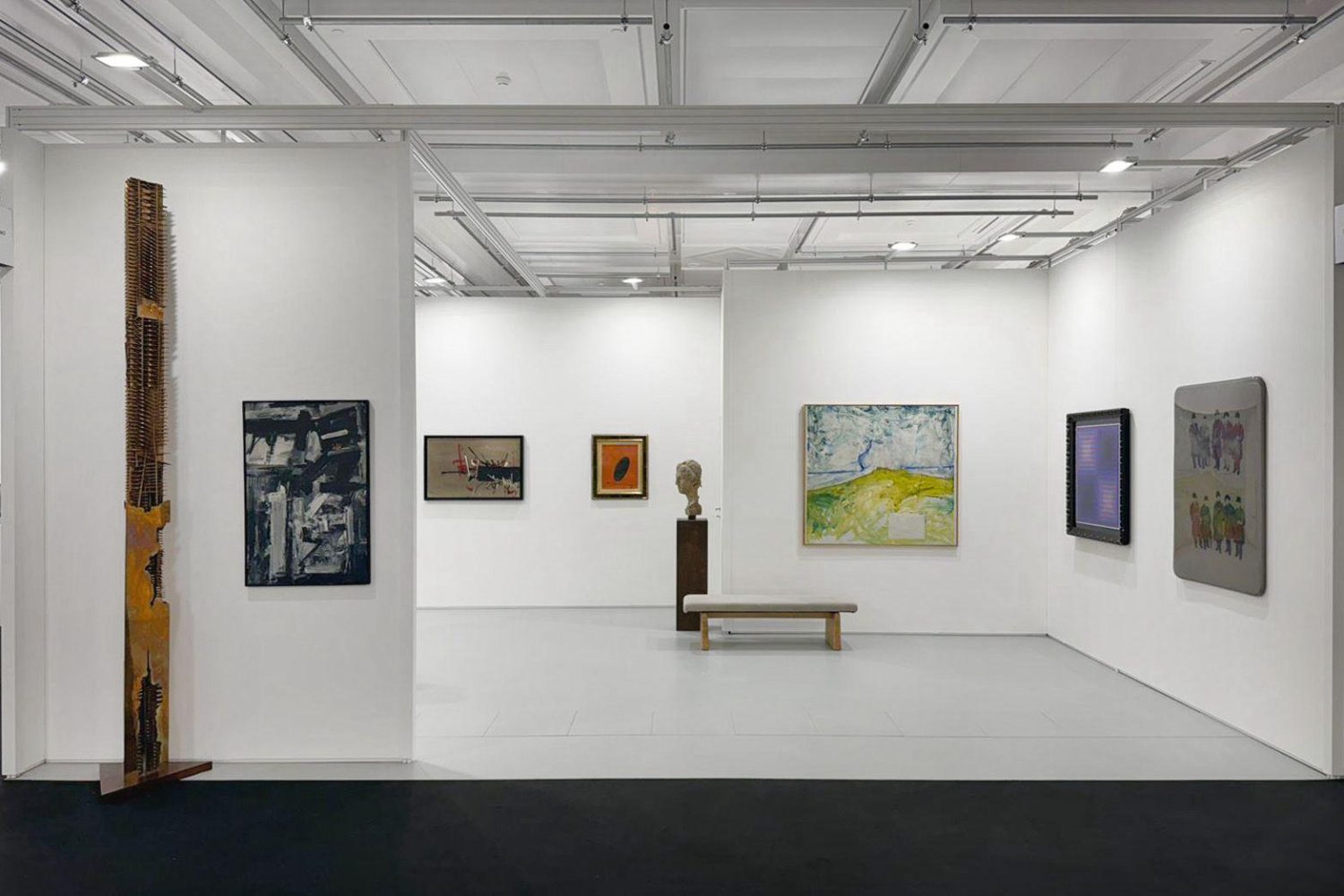
SECCI is delighted to announce its participation in Untitled Art Miami 2025, taking place from December 2 to December 7, 2025.
For this edition, SECCI will present a curated selection of works by Patrick Alston, Mai Blanco, Chico da Silva, Andrea Galvani, Kevin Francis Gray, Alteronce Gumby, Franco Mazzucchelli, Omar Mismar, Alfredo Pirri, Levi van Veluw, and Apichaya Wannakit.
The gallery will be located at Booth A31.
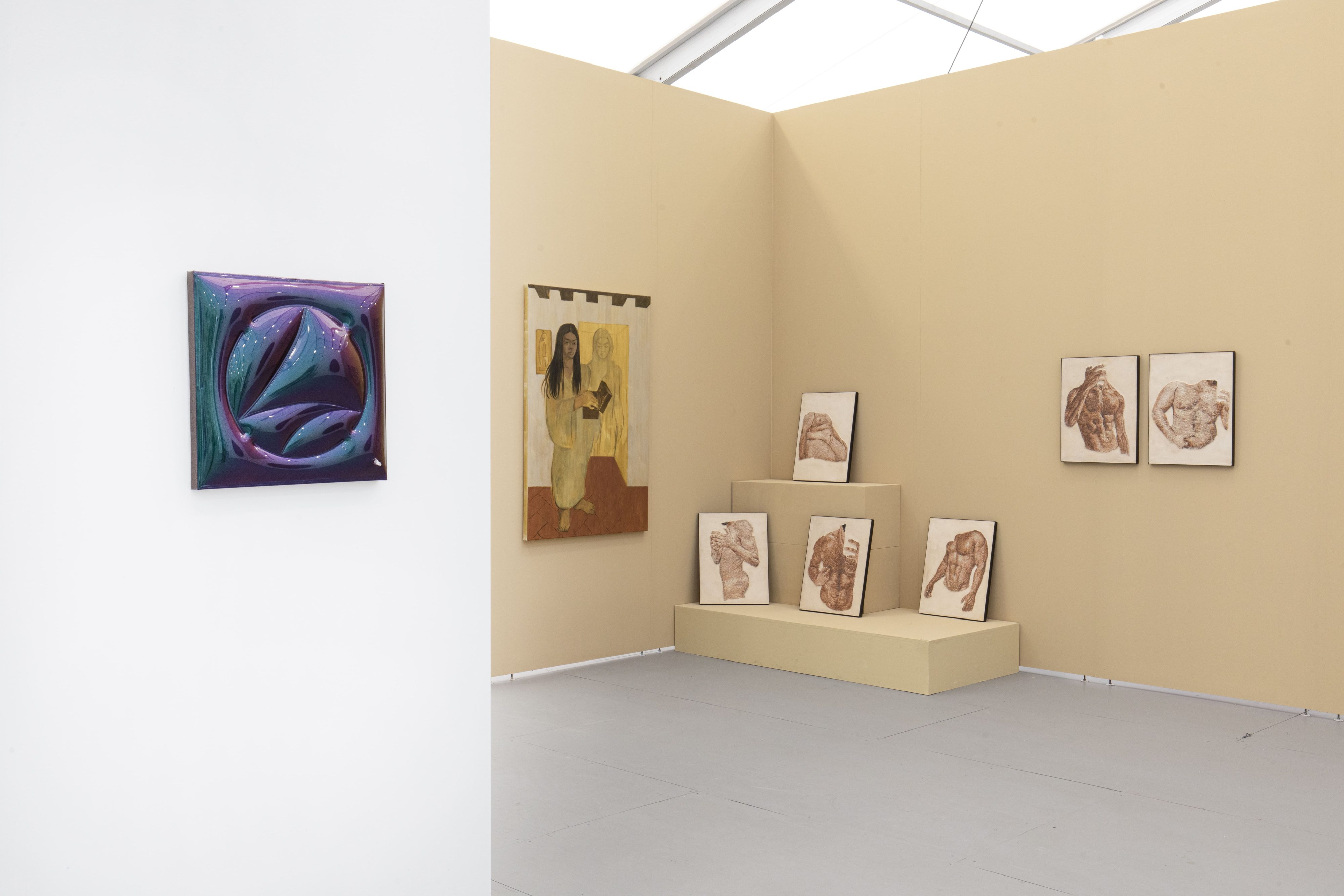
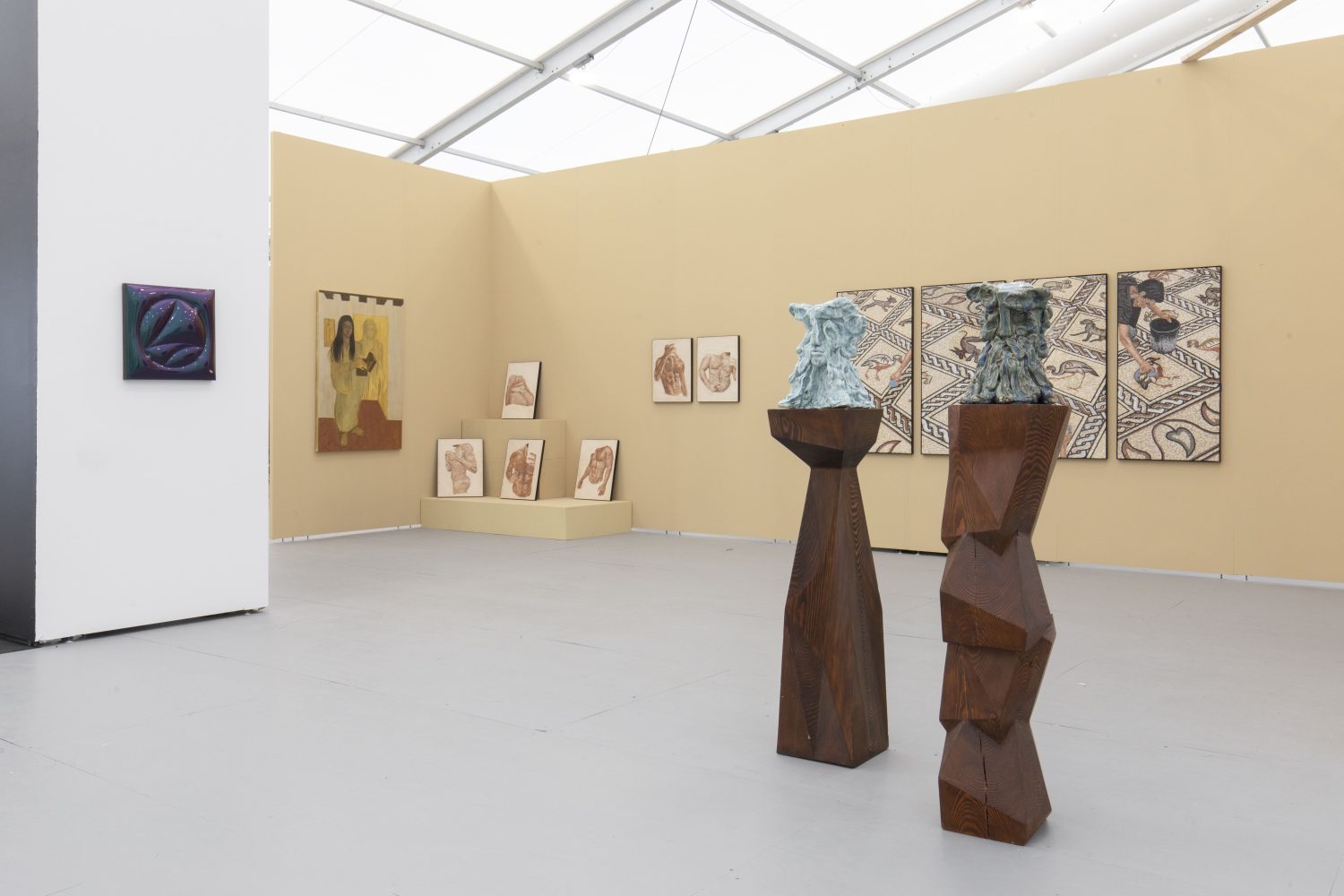
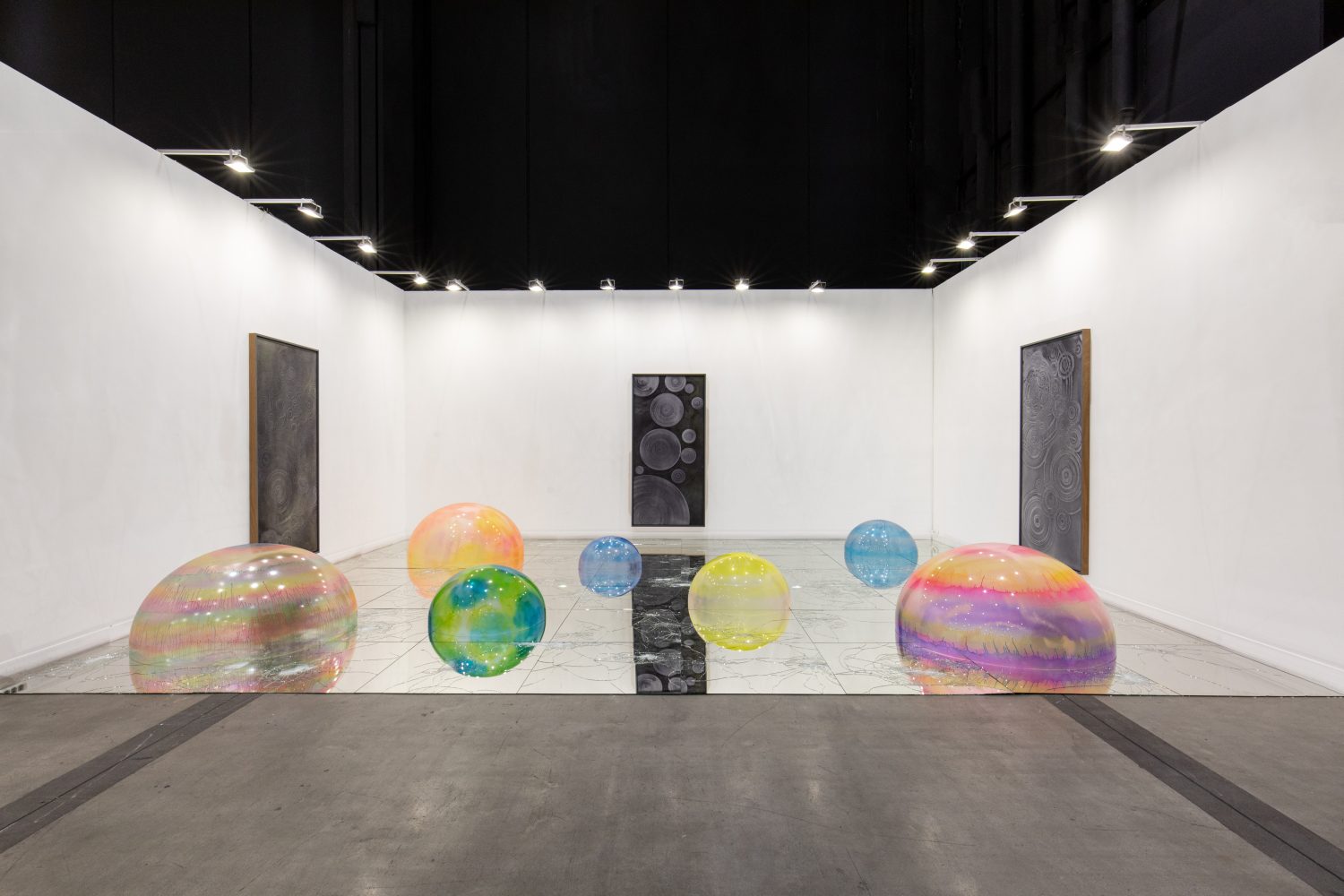
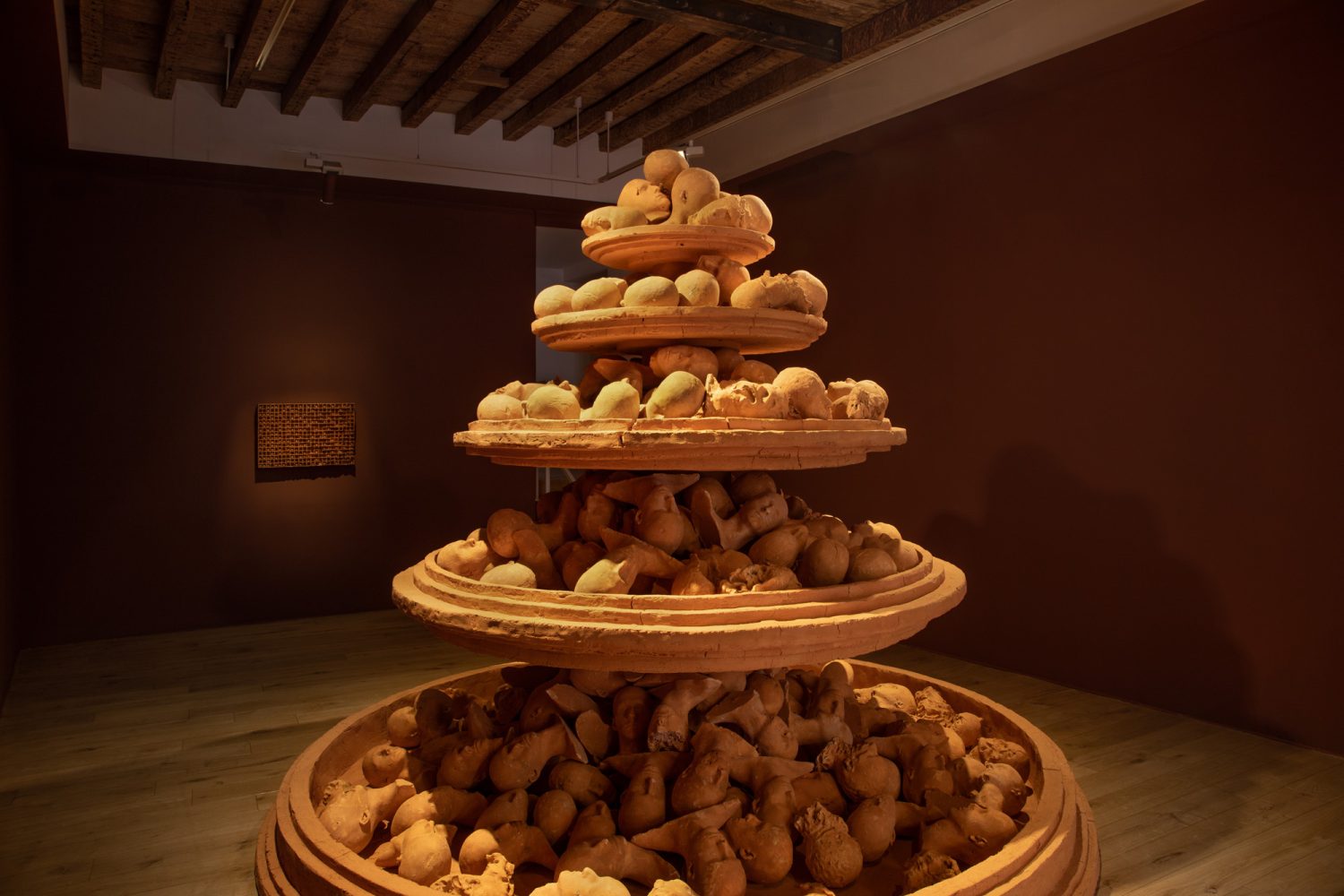
 Installation views, Untitled Miami 2025. ph Gabriele Abruzzese. Courtesy the Artists and SECCI
 Installation views, Untitled Miami 2025. ph Gabriele Abruzzese. Courtesy the Artists and SECCI
 Installation views, Untitled Miami 2025. ph Gabriele Abruzzese. Courtesy the Artists and SECCI
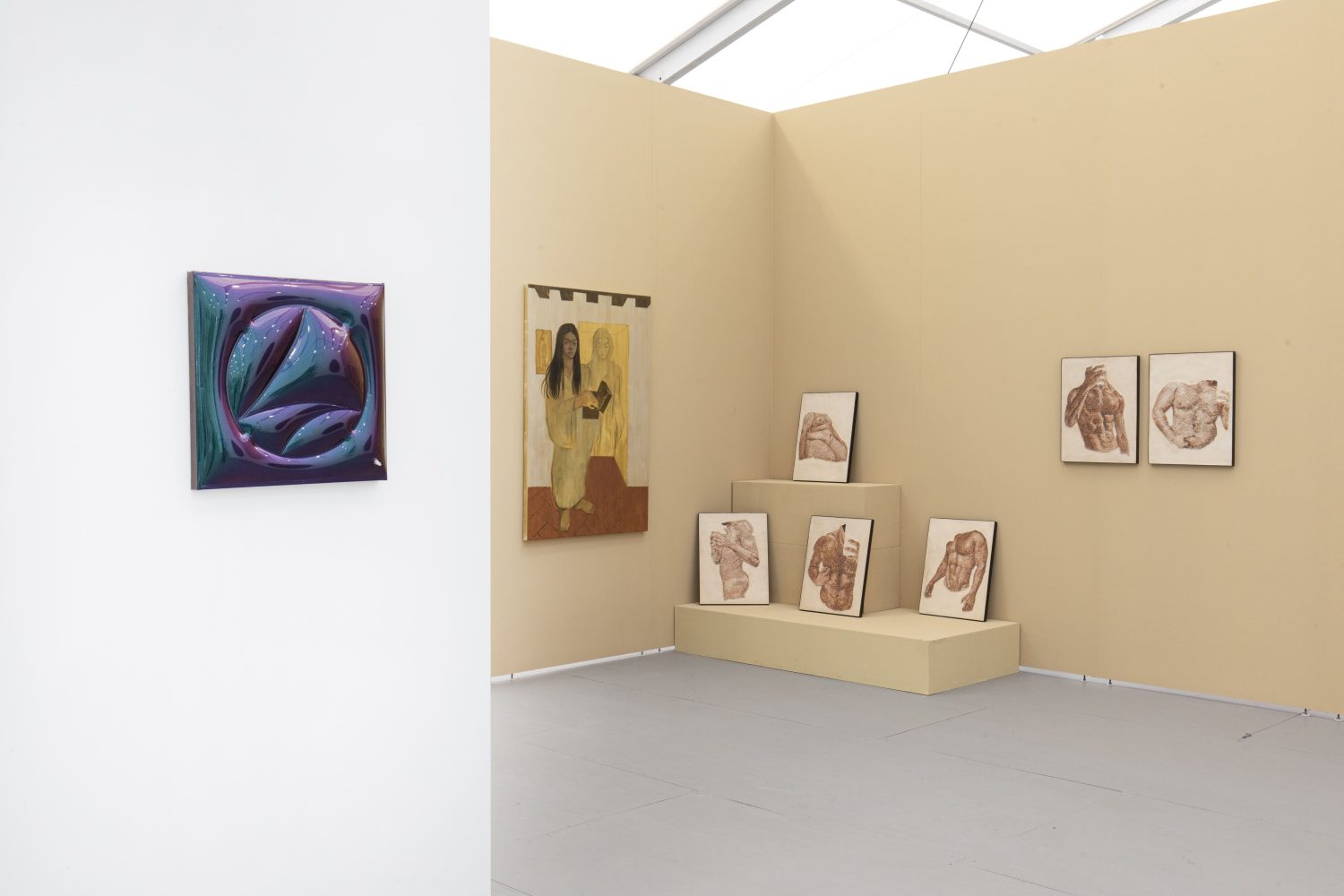
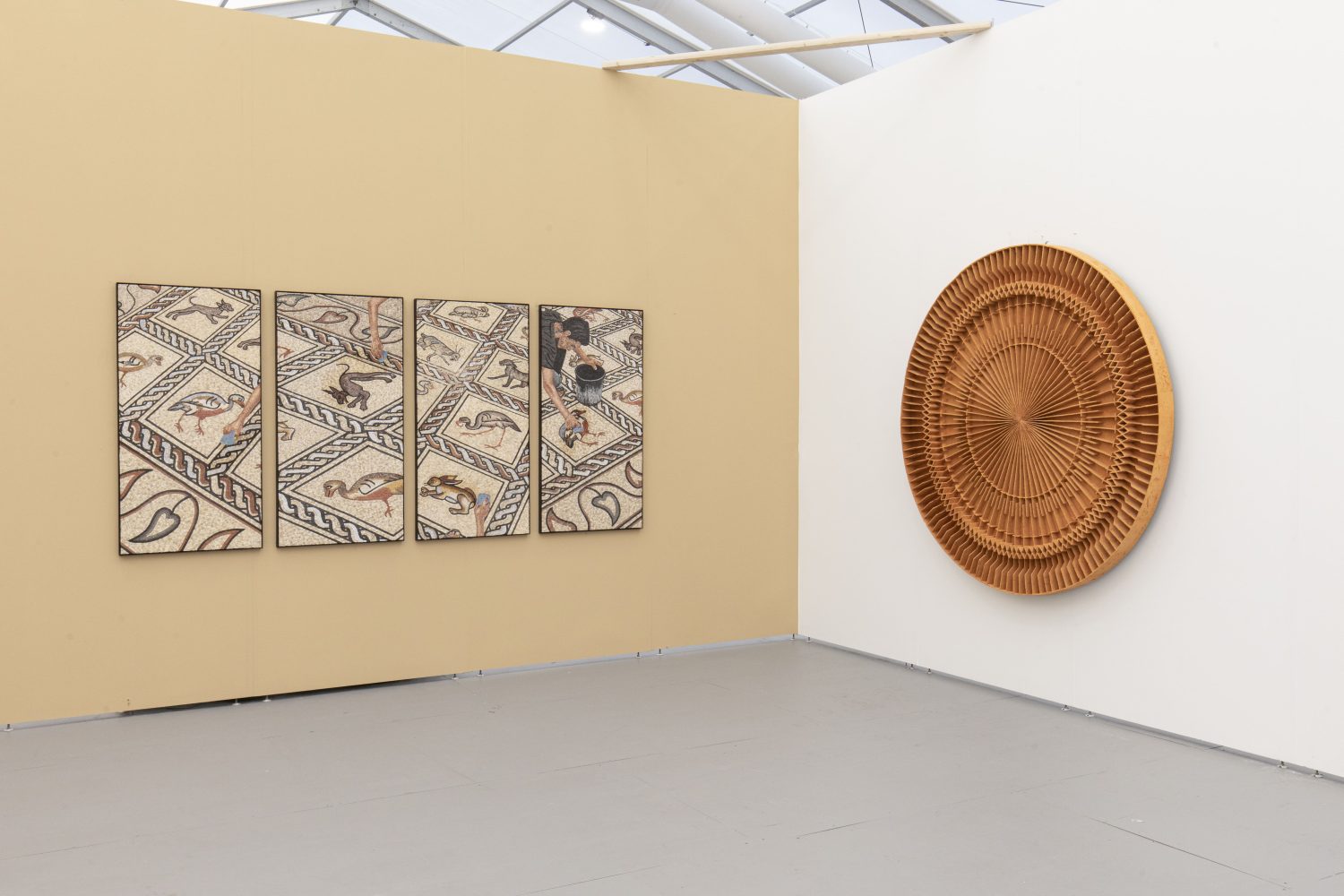
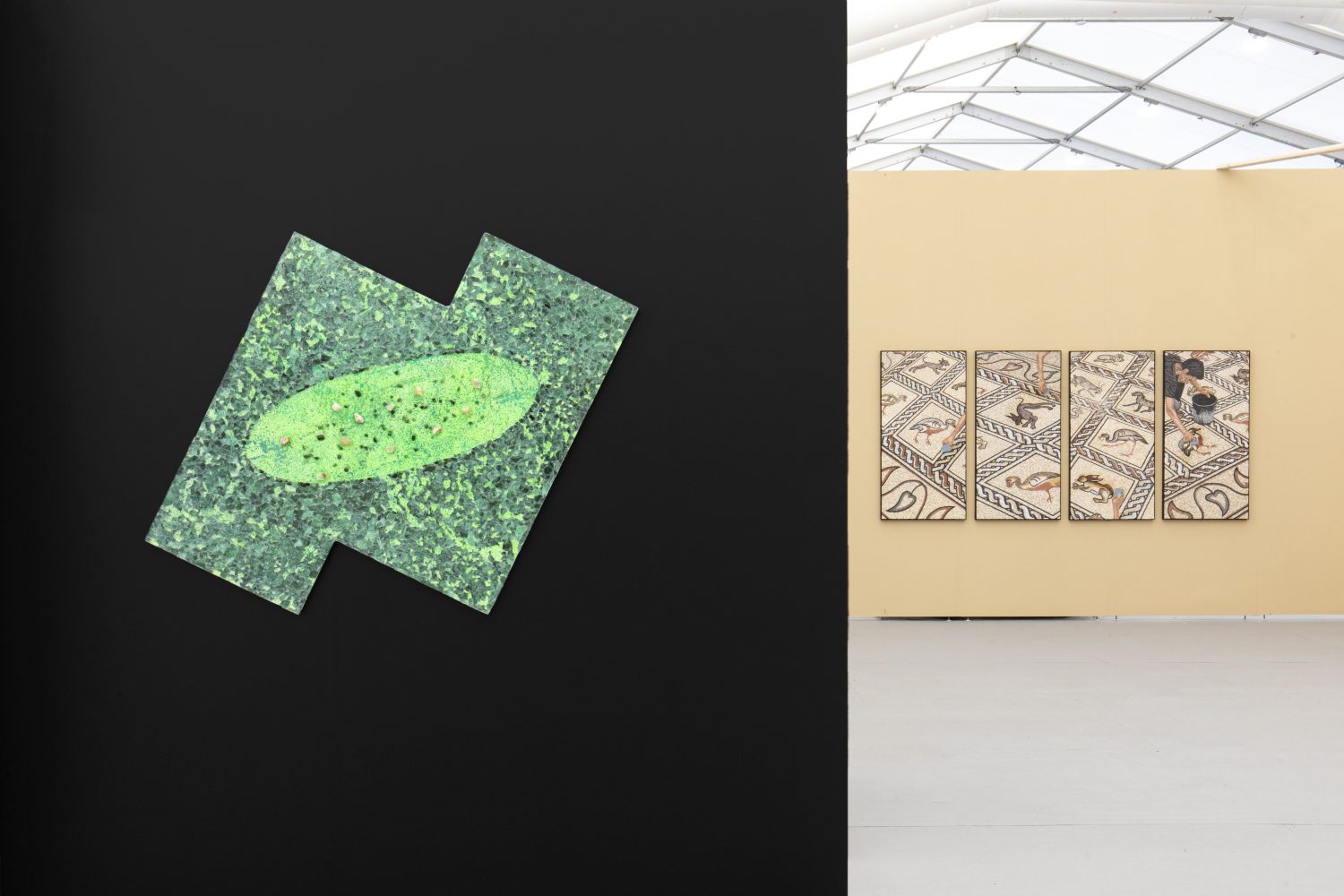
 Installation views, Untitled Miami 2025. ph Gabriele Abruzzese. Courtesy the Artists and SECCI
- Installation views, Untitled Miami 2025. ph Gabriele Abruzzese. Courtesy the Artists and SECCI
- Installation views, Untitled Miami 2025. ph Gabriele Abruzzese. Courtesy the Artists and SECCI
- Installation views, Untitled Miami 2025. ph Gabriele Abruzzese. Courtesy the Artists and SECCI
Francisco Domingos da Silva, known as Chico da Silva, was born in Alto Tejo, in the Brazilian state of Acre, the son of a Peruvian Indian and a woman from the state of Ceará. The year of his birth, based on research from different sources, is inconclusive, but it is estimated that the artist was born in 1910 (Fundação Bienal de São Paulo) or 1922 (Catalog of his first solo show in Fortaleza, 1961; Estrigas, 1988). Chico da Silva, from a very young age, traveled throughout the north and northeast of Brazil before settling in Fortaleza, Ceará.
In the early 1940s, he began drawing with charcoal and chalk on the walls of the cottages in Praia Formosa [Formosa Beach]. In 1943, Chico met the Swiss painter Jean-Pierre Chabloz (1910-1984), who introduced him to the local art circuit. In the same year, he participated in the collective exhibition Salão de Abril [April Saloon], followed by the 3rd Salão Cearense de Belas Artes, in 1944. Barboza Leite, referring to Chico’s early production in his book “Esquema da Pintura no Ceará [Painting Scheme in Ceará]”(1949), described it as follows “[…] the imprecise, nebulous forms, but dosed with a poetic intensity to the whole surface, of F. Silva’s paintings”.
In 1945, Chabloz exhibited paintings by Chico da Silva alongside Antonio Bandeira (1922-1967) and Inimá de Paula (1918-1999) at Galeria Askanasy in Rio de Janeiro. Over the next three years, the Swiss artist made occasional trips to Europe, returning to the continent permanently in 1948. Chabloz dedicated himself to promoting Chico’s work, staging his first solo show at the Galerie Pour L’Art, Lausanne, in 1952. In December of the same year, he published the article “Un Indien brésilien ré-invente la Peinture [A Brazilian Indian reinvents painting]” in the prestigious art magazine Cahiers D’Art, managed by Christian Zervos.
The departure of his friend and mentor had a great impact on Chico da Silva’s production, and during Chabloz’s stay in Europe, he held a small number of exhibitions in Brazil. Continuing his representation abroad, he participated in 1956 in the exhibition Arts primitifs et modernes brésiliens at the Musée d’ethnographie de Neuchâtel, Switzerland. The beginning of the 1960s marked Chabloz’s return to Brazil for a short period – the Swiss returned to Europe in July 1960, where he stayed for two years – which facilitated Chico’s reintegration into the group of artists from Fortaleza.
On April 10th, 1961, Chico da Silva opened his first solo show in Brazil, which took place at the Sede dos Diários Associados, in Fortaleza, where he presented ten works. According to the text of the catalog presented by the then Governor Parsifal Barroso, his “mysterious stories of the jungles, where animals and accidents of nature interfere as if they were human creatures […] represent the best phase of the painter, especially for the coloring, imagination, and movement of the themes”.
In 1959, Chico da Silva was hired by UFC – The Federal University of Ceará to develop the activities of MAUC – Art Museum of the Federal University of Ceará. His participation at the University lasted until 1963, when he exhibited at Galeria Relevo, in Rio de Janeiro, through the intermediation of Jean Boghici (1928-2015). In the same year, he approached Henrique Bluhm, who began the process of commercializing his work. It was during this period that Chico da Silva established his image as the Mestre da Escola do Pirambu [Master of the Pirambu School], working closely with young artists interested in learning the craft of painting. In 1965, he participated in the exhibition 8 peintres naïfs brèsiliens at Galerie Jacques Massol in Paris.
In 1966, through the efforts of Clarival do Prado Valadares, owner of Galeria Goeldi, Chico was included in the delegation that represented Brazil at the 33rd Venice Biennale, where he received an Honorable Mention. In the exhibition catalog, his work is described based on a meticulous technique that “whether in detail or in color, brings together a sophistication of the physical and subjective medium of painting”. In a letter written to Haroldo Juaçaba, Clarival described the Venice experience as follows: “I fought hard for Chico. After seeing the four paintings (panels) exhibited, Jacques Lanaipre came to me secretly and asked me to show to five members of the jury the works by Chico that were not exhibited: exactly those twelve gouaches from the Art Museum of the Federal University of Ceará. It was a revelation. They said that if Brazil had made a room for the Indian, the result would be different”.
The late 1960s are marked by episodes in which different apprentices claimed authorship of his works, causing Chico da Silva’s mental and physical health to deteriorate. In 1972, he was included in the show Arte/Brasil/Hoje: 50 Anos Depois, at the Collectio Gallery, in São Paulo, followed by his participation in the 1st Latin American Biennial of São Paulo, at the Fundação Bienal, in 1978. In the last phase of his career, Chico continued to hold solo and group exhibitions in different Brazilian states, including Recife, Brasília, São Paulo, Minas Gerais, and Rio de Janeiro.
In 1983, due to thrombosis, his health was completely debilitated. Chico da Silva died in Fortaleza in 1985. Since his death, he is considered a “primitivist genius” in Brazil, and his work fuses popular cosmologies from the north and northeast of the country. His concern with the exaltation of Brazilian fauna and flora is evident not only as a decorative element but as a formal expression of the organic subjectivity of the Amazon region and its complexities.
Francisco Domingos da Silva, known as Chico da Silva, was born in Alto Tejo, in the Brazilian state of Acre, the son of a Peruvian Indian and a woman from the state of Ceará. The year of his birth, based on research from different sources, is inconclusive, but it is estimated that the artist was born in 1910 (Fundação Bienal de São Paulo) or 1922 (Catalog of his first solo show in Fortaleza, 1961; Estrigas, 1988). Chico da Silva, from a very young age, traveled throughout the north and northeast of Brazil before settling in Fortaleza, Ceará.
In the early 1940s, he began drawing with charcoal and chalk on the walls of the cottages in Praia Formosa [Formosa Beach]. In 1943, Chico met the Swiss painter Jean-Pierre Chabloz (1910-1984), who introduced him to the local art circuit. In the same year, he participated in the collective exhibition Salão de Abril [April Saloon], followed by the 3rd Salão Cearense de Belas Artes, in 1944. Barboza Leite, referring to Chico’s early production in his book “Esquema da Pintura no Ceará [Painting Scheme in Ceará]”(1949), described it as follows “[…] the imprecise, nebulous forms, but dosed with a poetic intensity to the whole surface, of F. Silva’s paintings”.
In 1945, Chabloz exhibited paintings by Chico da Silva alongside Antonio Bandeira (1922-1967) and Inimá de Paula (1918-1999) at Galeria Askanasy in Rio de Janeiro. Over the next three years, the Swiss artist made occasional trips to Europe, returning to the continent permanently in 1948. Chabloz dedicated himself to promoting Chico’s work, staging his first solo show at the Galerie Pour L’Art, Lausanne, in 1952. In December of the same year, he published the article “Un Indien brésilien ré-invente la Peinture [A Brazilian Indian reinvents painting]” in the prestigious art magazine Cahiers D’Art, managed by Christian Zervos.
The departure of his friend and mentor had a great impact on Chico da Silva’s production, and during Chabloz’s stay in Europe, he held a small number of exhibitions in Brazil. Continuing his representation abroad, he participated in 1956 in the exhibition Arts primitifs et modernes brésiliens at the Musée d’ethnographie de Neuchâtel, Switzerland. The beginning of the 1960s marked Chabloz’s return to Brazil for a short period – the Swiss returned to Europe in July 1960, where he stayed for two years – which facilitated Chico’s reintegration into the group of artists from Fortaleza.
On April 10th, 1961, Chico da Silva opened his first solo show in Brazil, which took place at the Sede dos Diários Associados, in Fortaleza, where he presented ten works. According to the text of the catalog presented by the then Governor Parsifal Barroso, his “mysterious stories of the jungles, where animals and accidents of nature interfere as if they were human creatures […] represent the best phase of the painter, especially for the coloring, imagination, and movement of the themes”.
In 1959, Chico da Silva was hired by UFC – The Federal University of Ceará to develop the activities of MAUC – Art Museum of the Federal University of Ceará. His participation at the University lasted until 1963, when he exhibited at Galeria Relevo, in Rio de Janeiro, through the intermediation of Jean Boghici (1928-2015). In the same year, he approached Henrique Bluhm, who began the process of commercializing his work. It was during this period that Chico da Silva established his image as the Mestre da Escola do Pirambu [Master of the Pirambu School], working closely with young artists interested in learning the craft of painting. In 1965, he participated in the exhibition 8 peintres naïfs brèsiliens at Galerie Jacques Massol in Paris.
In 1966, through the efforts of Clarival do Prado Valadares, owner of Galeria Goeldi, Chico was included in the delegation that represented Brazil at the 33rd Venice Biennale, where he received an Honorable Mention. In the exhibition catalog, his work is described based on a meticulous technique that “whether in detail or in color, brings together a sophistication of the physical and subjective medium of painting”. In a letter written to Haroldo Juaçaba, Clarival described the Venice experience as follows: “I fought hard for Chico. After seeing the four paintings (panels) exhibited, Jacques Lanaipre came to me secretly and asked me to show to five members of the jury the works by Chico that were not exhibited: exactly those twelve gouaches from the Art Museum of the Federal University of Ceará. It was a revelation. They said that if Brazil had made a room for the Indian, the result would be different”.
The late 1960s are marked by episodes in which different apprentices claimed authorship of his works, causing Chico da Silva’s mental and physical health to deteriorate. In 1972, he was included in the show Arte/Brasil/Hoje: 50 Anos Depois, at the Collectio Gallery, in São Paulo, followed by his participation in the 1st Latin American Biennial of São Paulo, at the Fundação Bienal, in 1978. In the last phase of his career, Chico continued to hold solo and group exhibitions in different Brazilian states, including Recife, Brasília, São Paulo, Minas Gerais, and Rio de Janeiro.
In 1983, due to thrombosis, his health was completely debilitated. Chico da Silva died in Fortaleza in 1985. Since his death, he is considered a “primitivist genius” in Brazil, and his work fuses popular cosmologies from the north and northeast of the country. His concern with the exaltation of Brazilian fauna and flora is evident not only as a decorative element but as a formal expression of the organic subjectivity of the Amazon region and its complexities.

Andrea Galvani was born in Italy in 1973. He lives and works between New York and Mexico City. Adopting a cross-disciplinary approach that often draws upon scientific methodology, Galvani’s conceptual research informs his use of photography, video, drawing, sculpture, sound, architectural installation, and performance. His work seems to heighten awareness, articulate and extend the limits of sensory perception. Investigating relationships between fragility and monumentality, temporality and continuity, visibility and invisibility, his projects are documents of interventions orchestrated on site. Modifying and distorting natural surroundings, Galvani transforms the environment into a laboratory for physical experiments, cerebral observation, and collective action.
Galvani has exhibited internationally, including at the Whitney Museum, New York; the 4th Moscow Biennial for Contemporary Art; the Mediations Biennial, Poznań, Poland; 9th Biennial of Contemporary Art of Nicaragua; Art in General, New York; Aperture Foundation, New York; The Calder Foundation, New York; Pavilion – Center for Contemporary Art and Culture, Bucharest; Mart Museum of Modern and Contemporary Art, Trento; Macro Museum, Rome; GAMeC, Bergamo; De Brakke Grond, Amsterdam; Den Frie Centre of Contemporary Art, Copenhagen; Sculpture Center, New York; among others. His work is part of major public and private collections in Europe, the Americas, Asia, and Africa, including: the Permanent Collection at the Dallas Museum of Art, Texas; Deutsche Bank Collection, London; Artist Pension Trust, New York; the Contemporary Art Society, Aspen Collection, New York; the UniCredit Art Collection, Milan; the Permanent Collection of the United States Library of Congress, Prints and Photographs Division, Washington, DC; the Mart Museum of Modern and Contemporary Art of Trento and Rovereto; the 500 Capp Street Foundation, San Francisco; MAXXI National Museum of XXI Century Arts, Rome; The Armory Show, New York and MACRO Testaccio, Rome. He was a visiting artist at New York University, and has completed several artist residencies in New York, including Location One International Artist Residency Program, the LMCC Lower Manhattan Cultural Council, and the MIA Artist Space Program/Columbia University School of the Arts. In 2011, he received the New York Exposure Prize and was nominated for the Deutsche Börse Photography Prize. In 2016, the Mart Museum of Modern and Contemporary Art of Trento and Rovereto presented Galvani’s first mid-career retrospective in Europe. In 2017, his work was selected to represent the Deutsche Bank Collection at Frieze New York. In 2019, he was awarded the prestigious Audemars Piguet Prize.
Andrea Galvani was born in Italy in 1973. He lives and works between New York and Mexico City. Adopting a cross-disciplinary approach that often draws upon scientific methodology, Galvani’s conceptual research informs his use of photography, video, drawing, sculpture, sound, architectural installation, and performance. His work seems to heighten awareness, articulate and extend the limits of sensory perception. Investigating relationships between fragility and monumentality, temporality and continuity, visibility and invisibility, his projects are documents of interventions orchestrated on site. Modifying and distorting natural surroundings, Galvani transforms the environment into a laboratory for physical experiments, cerebral observation, and collective action.
Galvani has exhibited internationally, including at the Whitney Museum, New York; the 4th Moscow Biennial for Contemporary Art; the Mediations Biennial, Poznań, Poland; 9th Biennial of Contemporary Art of Nicaragua; Art in General, New York; Aperture Foundation, New York; The Calder Foundation, New York; Pavilion – Center for Contemporary Art and Culture, Bucharest; Mart Museum of Modern and Contemporary Art, Trento; Macro Museum, Rome; GAMeC, Bergamo; De Brakke Grond, Amsterdam; Den Frie Centre of Contemporary Art, Copenhagen; Sculpture Center, New York; among others. His work is part of major public and private collections in Europe, the Americas, Asia, and Africa, including: the Permanent Collection at the Dallas Museum of Art, Texas; Deutsche Bank Collection, London; Artist Pension Trust, New York; the Contemporary Art Society, Aspen Collection, New York; the UniCredit Art Collection, Milan; the Permanent Collection of the United States Library of Congress, Prints and Photographs Division, Washington, DC; the Mart Museum of Modern and Contemporary Art of Trento and Rovereto; the 500 Capp Street Foundation, San Francisco; MAXXI National Museum of XXI Century Arts, Rome; The Armory Show, New York and MACRO Testaccio, Rome. He was a visiting artist at New York University, and has completed several artist residencies in New York, including Location One International Artist Residency Program, the LMCC Lower Manhattan Cultural Council, and the MIA Artist Space Program/Columbia University School of the Arts. In 2011, he received the New York Exposure Prize and was nominated for the Deutsche Börse Photography Prize. In 2016, the Mart Museum of Modern and Contemporary Art of Trento and Rovereto presented Galvani’s first mid-career retrospective in Europe. In 2017, his work was selected to represent the Deutsche Bank Collection at Frieze New York. In 2019, he was awarded the prestigious Audemars Piguet Prize.

Kevin Francis Gray was born in Northern Ireland in 1972. He currently lives and works between London and Pietrasanta.
Kevin Francis Gray has generated bodies of work which address the complex relationship between abstraction and figuration. At the core of the artist’s practice is an interrogation of the intersection of traditional sculptural techniques and contemporary life. Rather than working towards ideals of beauty or memorial, Gray attends to the psychological effects, often relying on textural surfaces rather than facial or bodily expressions. Furthering Gray’s decade of working with marble, his new work pushes the possibilities of the artist’s sculptural practice into new territories of physical and psychological expression.
He received his BA from the National College of Art & Design in Dublin (1995) and the School of Art Institute in Chicago (1996), and then went on to earn an MA in Fine Art from the Goldsmiths College in London. He works closely with the Giannoni marble studio in Pietrasanta, renowned for its use of sculpting techniques that date back to Canova and Michelangelo. His works have been included in exhibitions at the Royal Academy, London, UK; Sudeley Castle, Winchcombe, Gloucestershire, UK; Museum of Contemporary Art of the Val de-Marne, Paris, France; Nieuw Dakota, Amsterdam; Palazzo Arti Napoli, Naples, Italy; Musee d’art Moderne, Saint-Etienne, France; ARTIUM, Centro-Museo Vasco de Arte Contemporáneo, Vitoria-Gasteiz, Spain; Tel Aviv Museum of Art, Tel Aviv, Israel; and Art Space, New York, USA.
Kevin Francis Gray was born in Northern Ireland in 1972. He currently lives and works between London and Pietrasanta.
Kevin Francis Gray has generated bodies of work which address the complex relationship between abstraction and figuration. At the core of the artist’s practice is an interrogation of the intersection of traditional sculptural techniques and contemporary life. Rather than working towards ideals of beauty or memorial, Gray attends to the psychological effects, often relying on textural surfaces rather than facial or bodily expressions. Furthering Gray’s decade of working with marble, his new work pushes the possibilities of the artist’s sculptural practice into new territories of physical and psychological expression.
He received his BA from the National College of Art & Design in Dublin (1995) and the School of Art Institute in Chicago (1996), and then went on to earn an MA in Fine Art from the Goldsmiths College in London. He works closely with the Giannoni marble studio in Pietrasanta, renowned for its use of sculpting techniques that date back to Canova and Michelangelo. His works have been included in exhibitions at the Royal Academy, London, UK; Sudeley Castle, Winchcombe, Gloucestershire, UK; Museum of Contemporary Art of the Val de-Marne, Paris, France; Nieuw Dakota, Amsterdam; Palazzo Arti Napoli, Naples, Italy; Musee d’art Moderne, Saint-Etienne, France; ARTIUM, Centro-Museo Vasco de Arte Contemporáneo, Vitoria-Gasteiz, Spain; Tel Aviv Museum of Art, Tel Aviv, Israel; and Art Space, New York, USA.

Alfredo Pirri was born in Cosenza, Italy, in 1957. He lives and works in Rome, is one of the best-known artists working there. He attended the Academy of Fine Arts in Rome and graduated with a degree in Painting.
His work, between painting and sculpture, architecture and installation, gains international recognition in the mid-80s. Color, matter, volume and space are instrumental to his practice which finds, in the relationship with light, the origin of a research which continuously reinvents itself. The work of Alfredo Pirri harmonically confronts architecture and constantly tends to the creation of an archetypal place, a space for dwelling connected to a public function.
Alfredo Pirri has exhibited in several museums and biennials, in Italy and abroad, among which: Eduardo Secci Milan (2021); Castello Maniace, Siracusa (2021); MACRO Museo d’Arte Contemporanea di Roma (2017), Nomas Foundation (2016-2017), Museo Novecento, Florence (2015); London Design Festival (2015); National Gallery of Modern Art, Rome with the semi-permanent installation “Passi” (2012-2016); Palazzo Te, Mantova (2013) e Project Biennial D-0 ARK Underground Konjic, Bosnia Herzegovina (2013), where “Passi” is permanently exhibited; National Archaeological Museum Reggio Calabria (2011) with his permanent installation “Piazza”; Visual Arts Centre Pescheria, Pesaro (2007); Maison Européenne de la Photographie, Parigi (2006); Havana Biennial (2001); French Academy in Rome -Villa Medici (2000); MoMa PS1, New York (1999); Korrespondenzen, Walter Gropius Bau, Berlino (1992); Venice Biennial (1988).
His recent collaborations with architects Nicola di Battista (director of Domus) and Efisio Pitfalls (Studio PROAP, Lisbon) were exhibited in 2015 at the British School in Rome.
He has taught at Bezalel Academy of Arts and Design in Jerusalem, at the Sapienza University in Rome, at the Academy of Fine Arts in Urbino, at the Academy of Fine Arts in Palermo. He is currently teaching Painting at the Academy in Frosinone and Visual Arts Advisor at the American Academy in Rome.
In 2015 AMACI (Italian Association for Contemporary Art Museums) selected Alfredo Pirri as guiding artist for the eleventh contemporary art day.
Alfredo Pirri was born in Cosenza, Italy, in 1957. He lives and works in Rome, is one of the best-known artists working there. He attended the Academy of Fine Arts in Rome and graduated with a degree in Painting.
His work, between painting and sculpture, architecture and installation, gains international recognition in the mid-80s. Color, matter, volume and space are instrumental to his practice which finds, in the relationship with light, the origin of a research which continuously reinvents itself. The work of Alfredo Pirri harmonically confronts architecture and constantly tends to the creation of an archetypal place, a space for dwelling connected to a public function.
Alfredo Pirri has exhibited in several museums and biennials, in Italy and abroad, among which: Eduardo Secci Milan (2021); Castello Maniace, Siracusa (2021); MACRO Museo d’Arte Contemporanea di Roma (2017), Nomas Foundation (2016-2017), Museo Novecento, Florence (2015); London Design Festival (2015); National Gallery of Modern Art, Rome with the semi-permanent installation “Passi” (2012-2016); Palazzo Te, Mantova (2013) e Project Biennial D-0 ARK Underground Konjic, Bosnia Herzegovina (2013), where “Passi” is permanently exhibited; National Archaeological Museum Reggio Calabria (2011) with his permanent installation “Piazza”; Visual Arts Centre Pescheria, Pesaro (2007); Maison Européenne de la Photographie, Parigi (2006); Havana Biennial (2001); French Academy in Rome -Villa Medici (2000); MoMa PS1, New York (1999); Korrespondenzen, Walter Gropius Bau, Berlino (1992); Venice Biennial (1988).
His recent collaborations with architects Nicola di Battista (director of Domus) and Efisio Pitfalls (Studio PROAP, Lisbon) were exhibited in 2015 at the British School in Rome.
He has taught at Bezalel Academy of Arts and Design in Jerusalem, at the Sapienza University in Rome, at the Academy of Fine Arts in Urbino, at the Academy of Fine Arts in Palermo. He is currently teaching Painting at the Academy in Frosinone and Visual Arts Advisor at the American Academy in Rome.
In 2015 AMACI (Italian Association for Contemporary Art Museums) selected Alfredo Pirri as guiding artist for the eleventh contemporary art day.

Levi van Veluw was born in the Dutch town of Hoevelaken in 1985 and studied at the ArtEZ Institute of the Arts in Arnhem. He lives and works in Amsterdam. Since graduating in 2007, he has produced multi- disciplinary works that spans scenographic installations, photographs, videos, sculptures and drawings. Van Veluw bases his practice around the idea of an alternate reality, creating a visual laboratory where both order and chaos are present. The artist has extensively investigated the relativity of matter and draws on scientific theories and physics to approach various existential dilemmas. His dark and sensory installations encourage the viewer to reflect on the development of a new knowledge, stemming from the desire for a regulated universe, while acknowledging the rational impossibility of total control.
Among his personal recent exhibitions we remind: Videocittà Rome, Italy (2021); Eduardo Secci, Florence, Italy (2020); Rijksmuseum Twenthe, Enschede,The Netherlands (2020); Praz-Delavallade, Paris (2020); Het HEM, Zaandam, The Netherlands (2020); Tenuta Dello Scompiglio, Lucca, Italy (2019); Domaine de Kerguéhennec, Bignan, France (2018); La Galerie Particulière, Paris (2017); Galerie Ron Mandos, Amsterdam (2019); Rosenfeld Porcini Gallery, London (2016). Among group shows we remind: Museo Kranenburgh, Bergen, The Netherlands (2017); labellisée Normandie Impressonniste, Jumièges, France (2016); Museum de Fundatie, Zwolle, the Netherlands (2016); Maddox Arts, London (2015). Van Veluw’s works have also been widely shown at international art fairs such as Zona Maco (2018); The Armory Show, New York (2017); Art Brussels (2016); Chicago Art Fair (2016); Volta Basel (2012) and the Barcelona Loop Fair Barcelona (2014). The work of Levi Veluw has been exhibited internationally in leading museums and institutions, and is included in both public and private collections, including the Borusan Contemporary Collection, Caldic Collection, Ekard Collection and KPMG Art Collection.
Levi van Veluw was born in the Dutch town of Hoevelaken in 1985 and studied at the ArtEZ Institute of the Arts in Arnhem. He lives and works in Amsterdam. Since graduating in 2007, he has produced multi- disciplinary works that spans scenographic installations, photographs, videos, sculptures and drawings. Van Veluw bases his practice around the idea of an alternate reality, creating a visual laboratory where both order and chaos are present. The artist has extensively investigated the relativity of matter and draws on scientific theories and physics to approach various existential dilemmas. His dark and sensory installations encourage the viewer to reflect on the development of a new knowledge, stemming from the desire for a regulated universe, while acknowledging the rational impossibility of total control.
Among his personal recent exhibitions we remind: Videocittà Rome, Italy (2021); Eduardo Secci, Florence, Italy (2020); Rijksmuseum Twenthe, Enschede,The Netherlands (2020); Praz-Delavallade, Paris (2020); Het HEM, Zaandam, The Netherlands (2020); Tenuta Dello Scompiglio, Lucca, Italy (2019); Domaine de Kerguéhennec, Bignan, France (2018); La Galerie Particulière, Paris (2017); Galerie Ron Mandos, Amsterdam (2019); Rosenfeld Porcini Gallery, London (2016). Among group shows we remind: Museo Kranenburgh, Bergen, The Netherlands (2017); labellisée Normandie Impressonniste, Jumièges, France (2016); Museum de Fundatie, Zwolle, the Netherlands (2016); Maddox Arts, London (2015). Van Veluw’s works have also been widely shown at international art fairs such as Zona Maco (2018); The Armory Show, New York (2017); Art Brussels (2016); Chicago Art Fair (2016); Volta Basel (2012) and the Barcelona Loop Fair Barcelona (2014). The work of Levi Veluw has been exhibited internationally in leading museums and institutions, and is included in both public and private collections, including the Borusan Contemporary Collection, Caldic Collection, Ekard Collection and KPMG Art Collection.
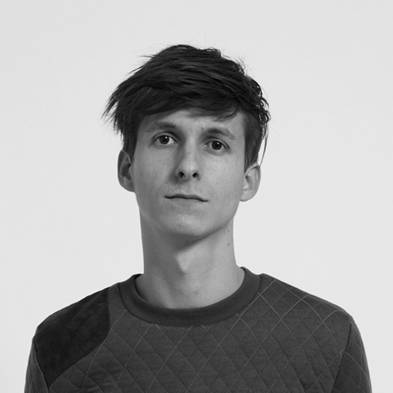

- Levi van Veluw

- Omar Mismar

- Kevin Francis Gray